
Why Dental Implants Fail: The Main Causes
Dental Expert
TABLE OF CONTENTS
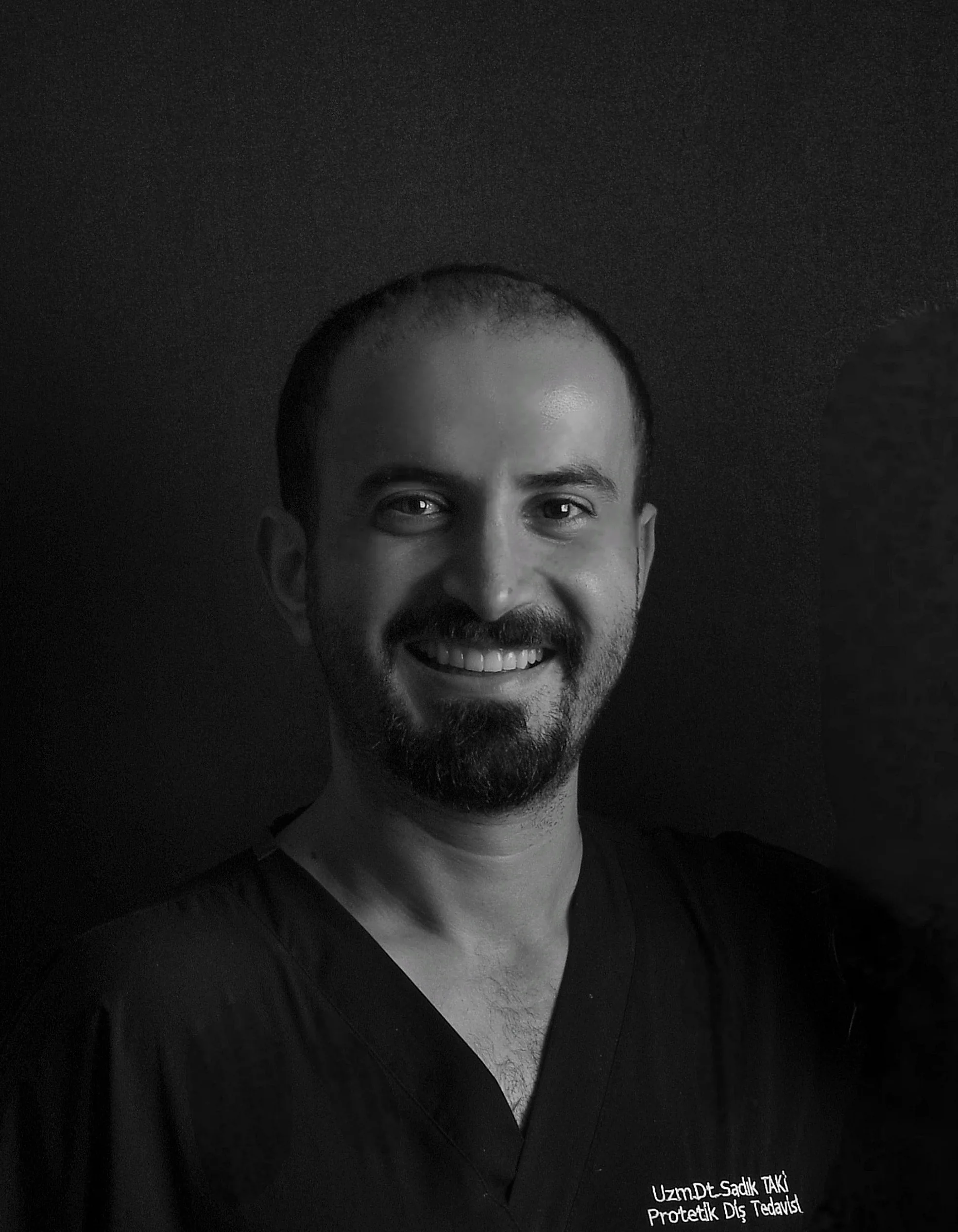
Dental implants are among the most predictable treatments in modern dentistry, with long-term studies reporting survival rates well above 90 percent after ten years. Yet a small proportion do fail, and understanding dental implant failure causes is the best way to make sure you are never in that minority. Failure is rarely random: in most cases it can be traced to a specific biological, mechanical or behavioural factor — and almost every one of those factors can be anticipated and managed. In this overview, Dr. Sadık Taki, prosthodontist and founder of Taki Dent in Antalya, walks through the main reasons implants fail and what a well-planned treatment does differently.
Early vs Late Failure: Two Very Different Problems
Clinicians divide implant failure into two categories, because the causes and solutions are quite different.
| Early failure | Late failure | |
|---|---|---|
| When it happens | Within the first weeks to months, before or shortly after the crown is fitted | A year or more after successful integration |
| Core problem | The bone never fuses to the implant (failed osseointegration) | Previously stable bone support is progressively lost |
| Typical causes | Infection during healing, surgical trauma, poor bone quality, premature loading, smoking, uncontrolled diabetes | Peri-implantitis, occlusal overload, component fracture, neglected maintenance |
| Typical signs | Persistent pain, mobility, swelling during healing | Bleeding gums, deepening pockets, bone loss on X-rays, loosening crown |
Early failures account for the smaller share and are usually linked to surgical technique or patient health at the time of placement. Late failures develop slowly, which means there is almost always a window in which they can be caught and stopped.
The Main Dental Implant Failure Causes Explained
1. Failed osseointegration
For an implant to succeed, living bone must grow onto its titanium surface over roughly two to six months. If the implant is placed with too much or too little pressure, if the bone overheats during drilling, or if it is loaded with chewing forces before it has fused, integration can fail. This is fundamentally a matter of surgical skill, careful planning and appropriate healing time — which is why three-dimensional CT planning and experienced hands matter so much.
2. Infection during healing
Bacterial contamination of the surgical site can prevent integration or destroy newly formed bone. Sterile protocol, appropriate antibiotic cover where indicated and good wound care in the first weeks all reduce this risk substantially.
3. Peri-implantitis
The leading cause of late failure is peri-implantitis — a plaque-driven infection of the gum and bone around an established implant. It typically begins as reversible gum inflammation and progresses silently if unchecked. Because this topic deserves its own detailed discussion, we have covered daily prevention, warning signs and treatment options in our dedicated peri-implantitis prevention guide.
4. Smoking
Smoking impairs blood supply, slows healing and weakens the immune response around implants, raising the risk of both early and late failure. The effect is dose-dependent and well documented in the research literature. We have examined the evidence, the risk figures and practical quitting strategies in our article on smoking and dental implant failure risk.
5. Insufficient bone volume or quality
An implant needs adequate bone height and width to be stable. If a tooth has been missing for years, the jawbone in that area shrinks. Placing an implant into inadequate bone without addressing the deficit invites failure. The solution is honest assessment: bone grafting, sinus lifting or alternative strategies such as All-on-4 treatment, which uses angled implants to make the most of available bone in the full-arch situation.
6. Occlusal overload and bruxism
Implants lack the shock-absorbing ligament that cushions natural teeth. Grinding, clenching or a bite that concentrates force on one implant can cause bone loss around it, loosen screws or fracture components. Careful bite design by a prosthodontist and a night guard for grinders manage this risk effectively.
7. Uncontrolled medical conditions
Poorly controlled diabetes, heavy radiation therapy to the jaws, certain bone medications and immune disorders can all compromise healing. Importantly, well-managed conditions are usually not a barrier to treatment — the key is full disclosure of your medical history so the plan can be adapted.
8. Component or prosthetic problems
Occasionally the implant itself survives but the restoration fails: a loosened abutment screw, a fractured crown or a poorly fitting bridge that traps plaque. These issues are typically repairable without losing the implant, provided they are addressed early. Quality components and precise laboratory work make them rare in the first place.
How Often Do Implants Actually Fail?
Reported figures vary between studies, but long-term reviews consistently place ten-year implant survival above 90 percent, and in well-maintained, non-smoking patients the figures are typically higher still. In other words, failure is the exception — and most failures cluster around a handful of known, modifiable risks. For a broader picture of what implant treatment involves from planning to aftercare, see our complete guide to dental implants.
How Taki Dent Reduces Each Risk
- Planning: every case begins with 3D CT imaging to assess bone volume, nerve position and sinus anatomy before anything is drilled.
- Honest case selection: if you need grafting first, or if an alternative design suits your anatomy better, you will be told plainly.
- Prosthodontist-led restoration: the bite and crown design are supervised by Dr. Sadık Taki, a specialist in exactly this discipline.
- Premium implant systems: internationally documented brands with decades of published data, not unbranded copies.
- Written guarantee and follow-up: treatment at our clinic for dental implants in Antalya is backed by a written guarantee and a structured aftercare protocol, including remote check-ins for international patients.
Warning Signs You Should Never Ignore
- Pain or throbbing that persists beyond the expected healing period, or appears months after treatment.
- Any feeling of movement in the implant or crown.
- Bleeding, swelling or pus around the implant.
- Gums pulling away from the implant, exposing metal.
- A change in how your bite feels.
None of these confirms failure on its own — a loose crown, for example, is usually a simple repair — but each deserves prompt professional assessment. Caught early, most problems around implants can be resolved without losing the implant. Always consult your dentist rather than waiting to see whether a symptom settles.
"Over years of restoring implants, I have seen very few failures that were genuinely unpredictable. Almost every one had a story: a smoker who was never counselled, an implant placed into thin bone to avoid a graft, a bite that was never checked. Good implant dentistry is mostly the discipline of removing those stories before they start." — Dr. Sadık Taki
If you are weighing up implant treatment or worried about an existing implant, book a free consultation with our specialists for an honest, personalised assessment.
Ready to Transform Your Smile?
Book your free consultation with our specialist team today.
Schedule Consultation