
Mini Dental Implants: A Complete Guide
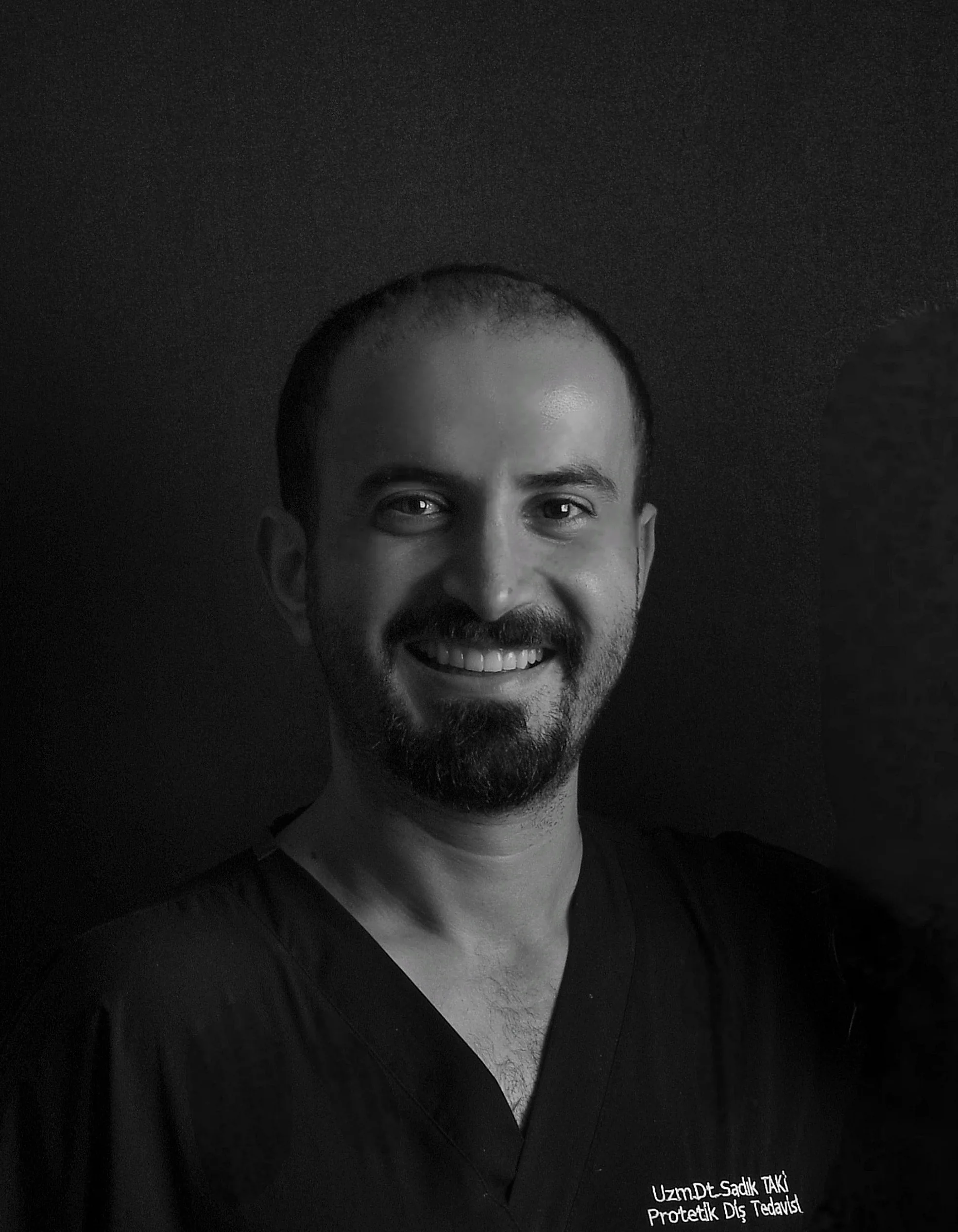
Dental Expert
TABLE OF CONTENTS
Mini dental implants are exactly what the name suggests: slimmer versions of conventional implants, typically less than 3 millimetres in diameter compared with the 3.5–5 millimetres of a standard fixture. They are placed with less invasive surgery, cost less, and can often be loaded immediately — which makes them sound like an obvious upgrade. In reality, they are a specific tool for specific situations, and patients deserve a straight answer about when they work brilliantly and when a standard implant remains the better investment. This guide gives you that answer.
What Are Mini Dental Implants?
A mini dental implant (MDI) is a one-piece titanium screw, usually 1.8–3.0 mm wide, with a ball- or cone-shaped head that protrudes above the gum. Unlike a standard two-piece implant — where a separate abutment and crown attach to the fixture — the mini implant's head is built in, most commonly designed to snap into a retention fitting inside a denture.
Because they are so narrow, mini implants can often be placed:
- Without cutting a gum flap — inserted through a small pilot opening in the gum
- In narrower bone ridges that could not accept a standard implant without grafting
- In a single visit, frequently with the denture attached the same day
- Under local anaesthetic only, with recovery measured in days rather than weeks
Mini Dental Implants vs Standard Implants
| Factor | Mini implants | Standard implants |
|---|---|---|
| Diameter | 1.8–3.0 mm, one-piece | 3.5–5.0 mm, two-piece |
| Surgery | Minimally invasive, often flapless | Conventional placement; grafting possible |
| Healing | Often loaded immediately | Typically 3–6 months before final teeth |
| Main use | Stabilising dentures; narrow spaces | Single crowns, bridges, full-arch fixed teeth |
| Chewing load capacity | Lower — not suited to heavy load-bearing | High — the standard for fixed restorations |
| Long-term evidence | Good for denture retention; shorter track record | Decades of data; typically 95%+ 10-year survival |
| Typical cost (Turkey) | from £250–£400 each | from £920 + crown from £220 |
| Typical cost (UK) | from £600–£1,200 each | from £2,000–£2,500 with crown |
Prices are approximate and vary with brand and case complexity — our price list carries current figures.
Where Mini Implants Genuinely Shine
Stabilising a loose lower denture
This is the classic indication, and the one with the strongest evidence. Four mini implants in the front of the lower jaw, with retention housings fitted into the existing or a new denture, can transform a denture that floats and clicks into one that stays put while eating and speaking. For older patients who find a wobbly lower denture the single biggest complaint of their daily life, the improvement is often immediate and dramatic.
Patients with significant bone loss who want to avoid grafting
Long-term denture wear shrinks the jaw ridge. Where a standard implant would require bone grafting — extra surgery, cost and months of healing — a mini implant may fit the remaining ridge as it is. For medically fragile or elderly patients, avoiding a grafting procedure altogether can be the difference between treatment and no treatment.
Very narrow gaps and small teeth
Lower incisors and upper lateral incisors sometimes leave too little space between neighbouring roots for a standard fixture. A narrow-diameter implant can restore such gaps without touching the adjacent teeth, unlike a conventional bridge.
The Honest Limitations
Here is what a responsible prosthodontist will tell you before taking your money:
- Lower strength ceiling. A narrower screw simply has less surface area fused to bone and less resistance to bending forces. Mini implants are not appropriate for single molar crowns or fixed full-arch bridges in most cases; overload is the most common failure mode.
- No component flexibility. Being one-piece, if the head or angle is wrong, the whole implant is wrong — a standard two-piece system lets us change abutments and correct angulation.
- Fracture risk in dense bone and heavy bites. Patients who grind their teeth put narrow implants at measurable risk of bending or fracture over the years.
- A shorter evidence base for fixed teeth. Research supports mini implants strongly for denture stabilisation; the evidence for using them under fixed bridges is far thinner. Where the science is thin, we advise the proven route.
In our Antalya clinic, we frequently see patients who were sold mini implants abroad or at home as a cheap route to fixed teeth, and who returned within a few years with failed fixtures. For fixed full-arch teeth, solutions engineered for the job — such as All-on-4 on standard implants — remain the reliable choice. You can read how we approach complete cases on our full mouth restoration page.
What Treatment Looks Like
- Assessment. A CT scan confirms ridge width, bone density and nerve positions. This step decides honestly whether minis or standard implants serve you better.
- Placement. Typically 30–60 minutes under local anaesthetic for four mini implants, usually without stitches.
- Denture fitting. Retention housings are fitted into your denture — often the same day — and you leave with a stable smile.
- Review and aftercare. Simple hygiene around the implant heads, periodic replacement of the rubber retention rings, and routine check-ups. International patients are supported remotely, and treatment is covered by our written guarantee.
Cost Perspective for Travelling Patients
A four-mini-implant lower denture stabilisation in Turkey typically starts from around £1,000–£1,600 including the retention system, against roughly £3,000–£5,000 in the UK. If your assessment shows standard implants would serve you better, Turkey's pricing keeps even that route affordable — a single standard implant starts from £920 (crown from £220), versus £2,000–£2,500 in the UK. The broader economics are covered in our guide to dental implant costs in Turkey, and our dental implants in Antalya page explains the systems we use.
So, Are Mini Implants Right for You?
If your goal is a secure denture, you have limited bone, or you want the least invasive path to a stable smile, mini dental implants are a legitimate, well-supported option — faster, gentler and cheaper than the conventional route. If your goal is fixed teeth that must withstand decades of full chewing force, standard implants remain the evidence-backed choice, and no honest clinic should tell you otherwise. The deciding factor is not marketing but your CT scan, which is why every recommendation we make starts there.
Unsure which implant type suits your case? Book a free consultation and we will give you a straight answer based on your scans.
Ready to Transform Your Smile?
Book your free consultation with our specialist team today.
Schedule Consultation