
Peri-Implantitis: Prevention and Long-Term Implant Care
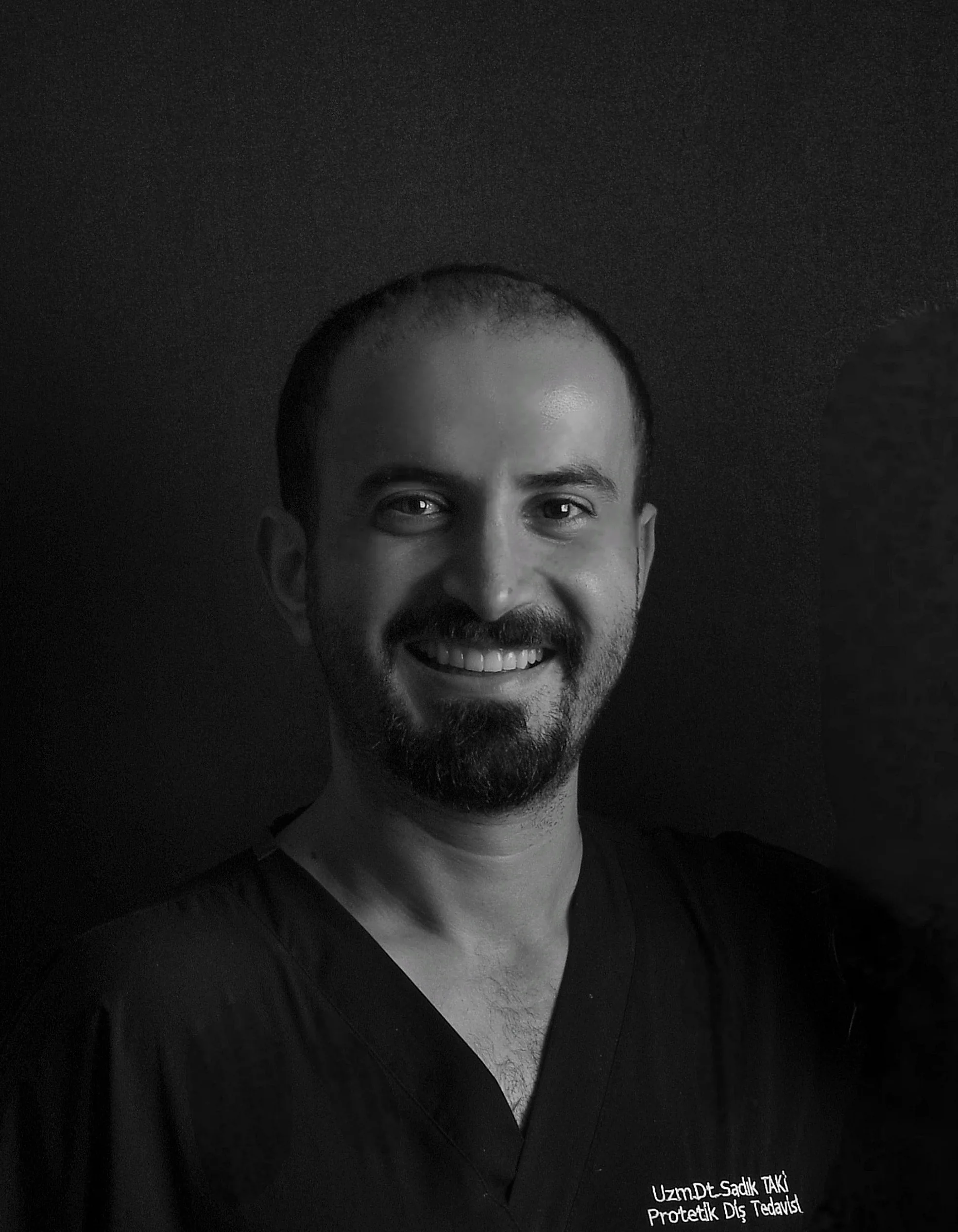
Dental Expert
TABLE OF CONTENTS
Peri-implantitis prevention is the single most important factor in keeping dental implants healthy for decades. Implants themselves cannot decay, but the gum and bone that support them can become inflamed and, if neglected, break down over time. Understanding this condition, recognising its early warning signs, and committing to good maintenance are what separate implants that last a lifetime from those that run into trouble.
What Is Peri-Implantitis?
Peri-implantitis is an inflammatory disease affecting the soft tissue and bone surrounding an implant. It is the more advanced of two related conditions. The milder form, peri-implant mucositis, involves inflammation of the gum only and is reversible with proper care. Peri-implantitis, by contrast, involves progressive loss of the supporting bone and, left untreated, can eventually threaten the stability of the implant.
The consensus report from the 2017 World Workshop, summarised by Berglundh and colleagues (2018) in the Journal of Clinical Periodontology, established clear definitions for these conditions. The workshop confirmed that peri-implantitis is characterised by inflammation together with progressive bone loss beyond the changes expected during normal healing. Schwarz, Derks, Monje and Wang (2018), writing in the Journal of Periodontology, further clarified that peri-implantitis typically begins as mucositis, which underlines why catching and treating early inflammation matters so much.
How Common Is It?
A systematic review of the epidemiology by Derks and Tomasi (2015) brought together the available prevalence data. The review found that peri-implant disease is common, with peri-implant mucositis affecting a large proportion of patients with implants and peri-implantitis affecting a meaningful minority. Reported figures vary between studies because of differences in how the condition is defined and measured, but the overall message is consistent: these problems are frequent enough that every implant patient should take prevention seriously.
From Dr. Taki's clinical perspective, this data is not cause for alarm but a call to action. The very fact that peri-implant disease usually starts as reversible inflammation means that attentive patients, supported by regular professional care, hold most of the power to prevent it.
What Causes Peri-Implantitis?
The primary driver is bacterial plaque that accumulates around the implant, much as it does around natural teeth. When plaque is not removed, the body's inflammatory response can begin to damage the surrounding tissue. Several factors increase susceptibility:
- Inadequate oral hygiene that allows plaque to build up around the implant.
- A history of gum disease, which signals a tendency towards inflammatory tissue breakdown.
- Smoking, which impairs healing and blood supply to the gums.
- Poorly controlled diabetes, which affects the body's inflammatory and healing responses.
- Lack of regular maintenance visits, which means early inflammation goes undetected.
Peri-Implantitis Prevention: A Practical Framework
Prevention works on two levels: what happens at the clinic and what you do at home every day. Both are essential, and neither substitutes for the other.
| Care level | Key actions | Frequency |
|---|---|---|
| Daily home care | Brushing twice daily, cleaning between teeth and around implants | Every day |
| Interdental cleaning | Interdental brushes, floss or a water flosser suited to your restoration | Daily |
| Professional cleaning | Removal of hardened deposits and inspection of implant tissues | Every 3 to 6 months |
| Clinical review | Checking for bleeding, probing depths and, where indicated, imaging | As advised |
Recognising the Warning Signs
Early peri-implant disease is often painless, which is why patients should watch for subtle changes rather than waiting for discomfort. Contact your dentist if you notice:
- Redness, swelling or tenderness in the gum around an implant.
- Bleeding when brushing or cleaning around the implant.
- Gum that appears to be receding, exposing more of the restoration.
- A bad taste, discharge or persistent bad breath localised to one area.
- Any sensation of looseness in the implant or its crown.
Because mucositis is reversible, spotting these signs early frequently allows the problem to be resolved with a thorough clean and improved home care, before any bone is lost.
The Difference Between Mucositis and Peri-Implantitis
It is worth dwelling on why the distinction between these two conditions is so practically important. Peri-implant mucositis is inflammation confined to the soft tissue, with no bone loss, and it responds well to improved cleaning and a professional clean. Peri-implantitis, once bone has begun to recede, is harder to reverse and may require surgical intervention. The overwhelming majority of peri-implantitis cases pass through a mucositis stage first. In other words, there is usually a window during which the problem is fully reversible. Prevention, at its heart, is about noticing and acting within that window rather than allowing quiet inflammation to progress unchecked into bone loss.
How We Monitor Implant Health
Professional monitoring is more than a visual glance. At recall visits we gently check the depth of the tissue cuff around each implant, look for bleeding on probing as an early inflammatory marker, and, where clinically indicated, use imaging to compare bone levels against your baseline records. Establishing that baseline at the time of placement is invaluable, because it turns later comparisons into precise measurements rather than guesswork. This structured approach lets us detect subtle changes long before a patient would notice anything, which is exactly when intervention is simplest and most effective.
Treatment When Prevention Is Not Enough
If peri-implantitis does develop, treatment aims to halt the inflammation and, where possible, stabilise or regenerate the supporting tissues. Approaches range from professional cleaning and decontamination of the implant surface to surgical procedures in more advanced cases. The earlier the condition is addressed, the more conservative and predictable the treatment tends to be, which brings the discussion back to the value of regular monitoring.
Patients who choose full-arch restorations such as All-on-4 treatment or All-on-6 in Antalya should pay particular attention to cleaning under the prosthesis, and we teach every patient the specific technique their restoration requires. You can also read our broader complete guide to dental implants for context on how these restorations are built.
Long-Term Care at Our Clinic
Good maintenance is a partnership. We provide detailed hygiene instructions, schedule appropriate recall visits, and remain available for remote follow-up after international patients return home. Our approach to dental implants in Antalya includes teaching you exactly how to care for your restoration, because your daily routine is the front line of peri-implantitis prevention. Every case is also backed by our clinic guarantee, reflecting our commitment to the long-term health of your implants.
Scientific References
This article reflects current peer-reviewed evidence. Key sources include:
- Derks, J., & Tomasi, C. (2015). Peri-implant health and disease. A systematic review of current epidemiology. Journal of Clinical Periodontology. https://doi.org/10.1111/jcpe.12334
- Berglundh, T., et al. (2018). Peri-implant diseases and conditions: Consensus report of workgroup 4 of the 2017 World Workshop. Journal of Clinical Periodontology. https://doi.org/10.1111/jcpe.12957
- Schwarz, F., Derks, J., Monje, A., & Wang, H.-L. (2018). Peri-implantitis. Journal of Periodontology. https://doi.org/10.1002/JPER.16-0350
Evidence summarised for patient education by Dr. Sadık Taki. Individual outcomes vary; book a consultation for personalised advice.
Protect your implants for the long term with expert guidance. Contact us today to arrange a free consultation.
Ready to Transform Your Smile?
Book your free consultation with our specialist team today.
Schedule Consultation