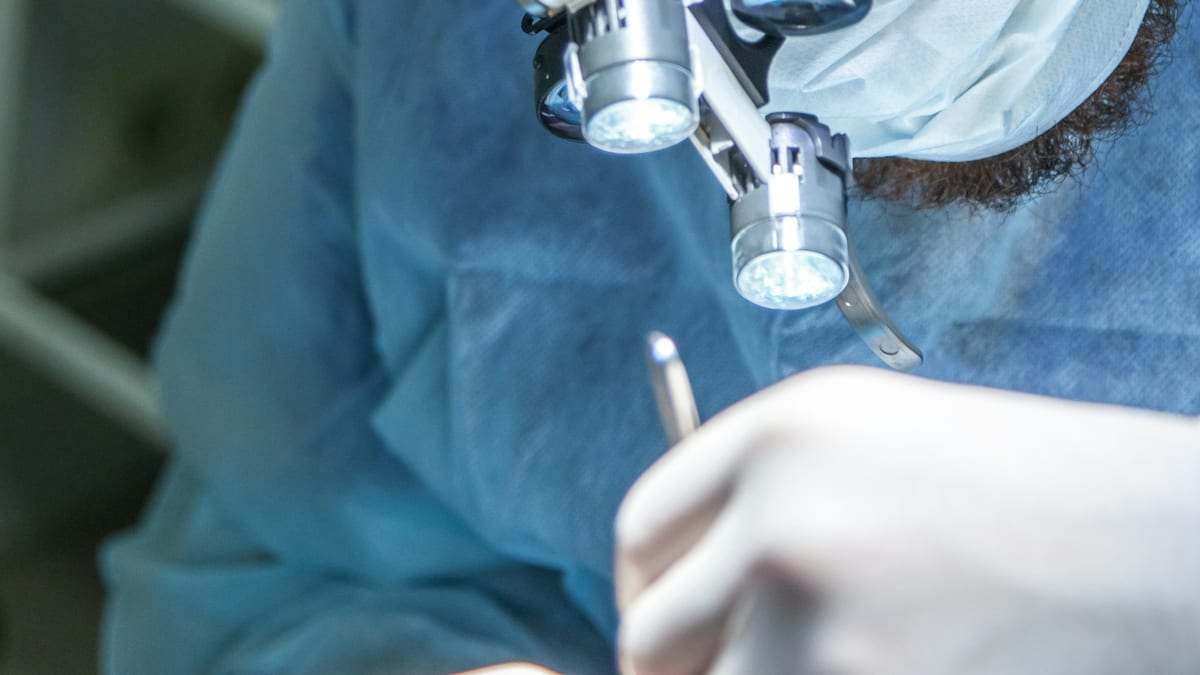

Zirconia vs Metal-Ceramic Crowns: Evidence Comparison
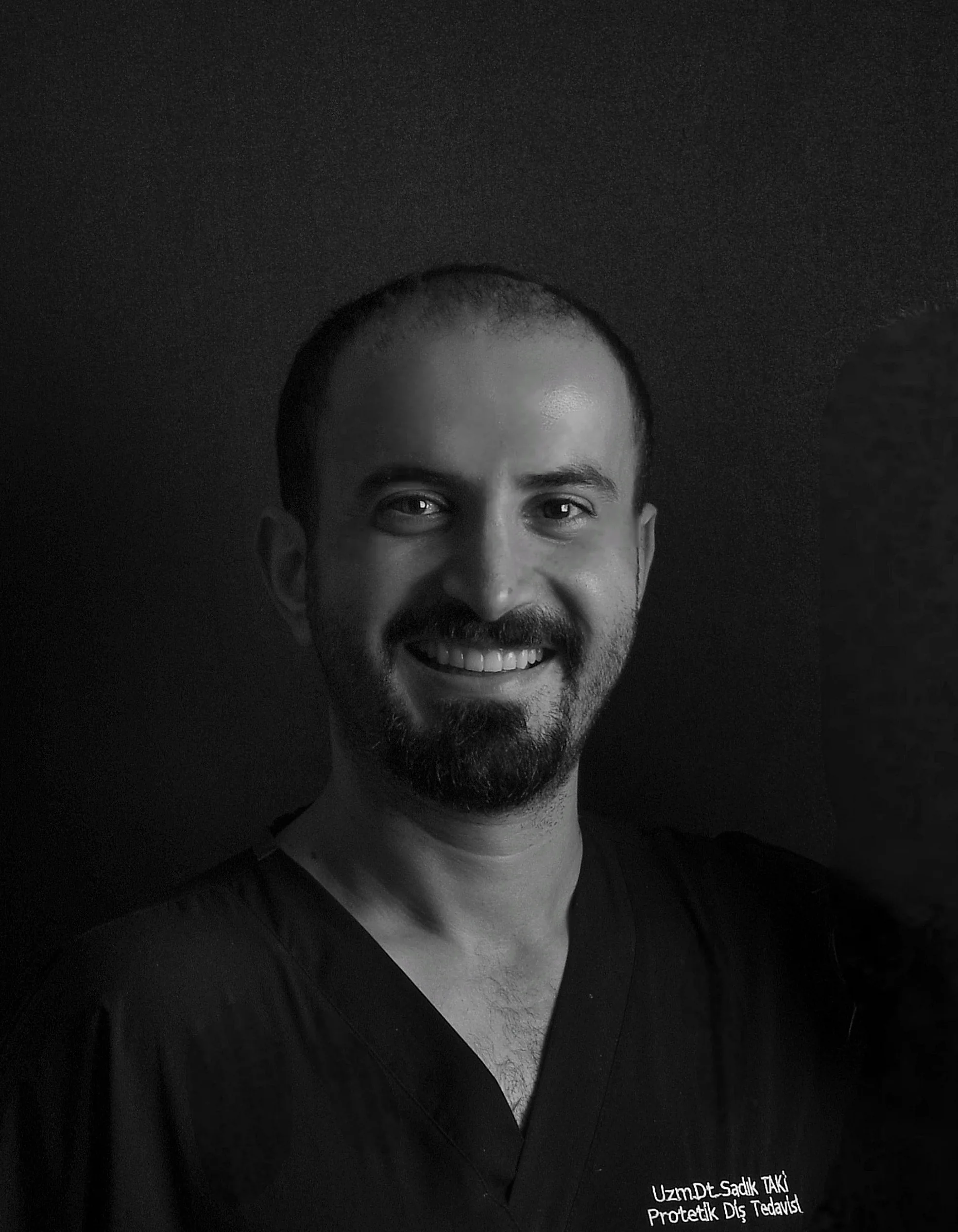
Dental Expert
TABLE OF CONTENTS
For decades, the metal-ceramic crown — a porcelain shell fused to a metal core — was the undisputed gold standard in restorative dentistry. Today, all-ceramic materials such as zirconia dominate modern clinics. But is newer actually better? The zirconia vs metal-ceramic crowns question deserves an evidence-based answer, not a fashionable one. Two landmark systematic reviews published in Dental Materials give us exactly that, and in this article I walk you through what they found and how it shapes our material choices at Taki Dent.
Zirconia vs Metal-Ceramic Crowns: What the Systematic Reviews Found
In 2015, Sailer and colleagues published a comprehensive systematic review comparing all-ceramic and metal-ceramic single crowns, while a companion paper by Pjetursson and colleagues examined multiple-unit bridges (fixed dental prostheses). Together, these two reviews pooled data from dozens of clinical studies and remain among the most cited evidence sources in prosthodontics.
For single crowns, the findings were reassuring across the board. Metal-ceramic crowns showed an estimated five-year survival of around 94–95%. Glass-ceramic crowns such as lithium disilicate performed comparably, with reported survival of roughly 96–97%. Early veneered zirconia crowns, however, lagged slightly behind, with five-year survival in the region of 91–92% — largely because of chipping of the porcelain veneering layer and, in some studies, loss of retention.
For bridges, the gap was similar. Pjetursson and colleagues reported that metal-ceramic multiple-unit prostheses achieved approximately 94% five-year survival, whereas zirconia-based bridges of that era achieved around 90%, again with veneering ceramic chipping as the dominant technical complication.
Reading the Numbers Correctly: Veneered vs Monolithic Zirconia
Here is the nuance that many patients — and frankly, some marketing pages — miss. The zirconia restorations evaluated in those 2015 reviews were mostly veneered zirconia: a strong zirconia core covered with a weaker, hand-layered porcelain skin. It was that outer skin that chipped, not the zirconia core itself, which almost never fractured.
Modern zirconium crowns are increasingly made as monolithic (full-contour) restorations, milled from a single block of zirconia with no fragile veneering layer to chip. Newer translucent zirconia generations have also dramatically improved aesthetics, addressing the main historical criticism of the material. While long-term data on monolithic zirconia continues to accumulate, the specific weakness identified by the 2015 reviews has been largely engineered out of contemporary restorations.
Side-by-Side Comparison
| Criterion | Metal-ceramic crowns | Zirconia crowns |
|---|---|---|
| Five-year survival (2015 reviews) | Approx. 94–95% | Approx. 91–92% (veneered, early generation) |
| Main technical complication | Porcelain chipping, occasional metal exposure | Veneering porcelain chipping (largely resolved in monolithic designs) |
| Aesthetics | Grey margin can show at the gum line over time | Metal-free; translucent generations mimic natural enamel |
| Biocompatibility | Rare metal sensitivity possible | Highly biocompatible, no metal allergy risk |
| Best suited for | Long-span bridges where evidence is longest | Single crowns, aesthetic zones, metal-sensitive patients |
Where Metal-Ceramic Still Earns Its Place
It would be dishonest to declare metal-ceramic obsolete. The evidence base behind it is the longest in fixed prosthodontics, and for long-span bridges replacing several missing teeth, the 2015 review data still favoured metal-ceramic frameworks. In most cases we now achieve equivalent strength with high-strength zirconia, but the metal-ceramic option remains a legitimate, well-documented choice — particularly where cost is a constraint or where a patient is replacing an existing metal-ceramic bridge that served them well.
That said, the aesthetic limitations are real. The opaque metal core blocks light transmission, so metal-ceramic crowns can look flatter than natural teeth, and gum recession over the years may expose a grey line at the margin. For visible front teeth, this is the main reason patients seeking dental crowns in Turkey overwhelmingly choose metal-free options today.
How We Choose Between Them at Taki Dent
Material selection should follow the clinical situation, not the other way round. As a rule of thumb, our decision process considers:
- Position in the mouth — front teeth demand the light-handling of all-ceramics; molars demand maximum strength.
- Span length — single crowns and short bridges are excellent zirconia candidates; very long spans require careful framework design whichever material is used.
- Bite forces and grinding habits — bruxists typically do best with monolithic zirconia rather than any layered ceramic.
- Gum health and smile line — a high smile line showing the gum margin strongly favours metal-free restorations.
- Allergies and preferences — patients with known metal sensitivities are directed to zirconia or lithium disilicate, such as E.max restorations, from the outset.
Dr. Taki's Clinical Perspective
The Sailer and Pjetursson reviews taught our profession a valuable lesson: the weak point of early zirconia was never the zirconia — it was the porcelain we layered on top of it. Once monolithic designs removed that layer, the chipping problem largely disappeared. In my own practice, I reserve metal-ceramic mainly for specific bridge cases and use monolithic or minimally veneered zirconia for the majority of crowns, because it combines survival, aesthetics and biocompatibility in a way metal-ceramic simply cannot match in the smile zone.
Survival statistics also depend on execution: precise margins, healthy gums and a balanced bite matter as much as the material itself. This is why crown treatment at our clinic always includes digital planning and bite analysis, whether you need a single tooth restored or a full-arch rehabilitation. You can compare typical costs for both options on our treatment price list.
Scientific References
This article reflects current peer-reviewed evidence. Key sources include:
- Sailer, I., Makarov, N. A., Thoma, D. S., Zwahlen, M., & Pjetursson, B. E. (2015). All-ceramic or metal-ceramic tooth-supported fixed dental prostheses (FDPs)? A systematic review of the survival and complication rates. Part I: Single crowns (SCs). Dental Materials. https://doi.org/10.1016/j.dental.2015.02.011
- Pjetursson, B. E., Sailer, I., Makarov, N. A., Zwahlen, M., & Thoma, D. S. (2015). All-ceramic or metal-ceramic tooth-supported fixed dental prostheses (FDPs)? A systematic review of the survival and complication rates. Part II: Multiple-unit FDPs. Dental Materials. https://doi.org/10.1016/j.dental.2015.02.013
Evidence summarised for patient education by Dr. Sadık Taki. Individual outcomes vary; book a consultation for personalised advice.
Unsure which crown material suits your teeth, bite and budget? Book a free consultation and we will recommend the option the evidence supports for your specific case.
Ready to Transform Your Smile?
Book your free consultation with our specialist team today.
Schedule Consultation