
Professional vs Home Teeth Whitening: What Science Shows
Dental Expert
TABLE OF CONTENTS
Walk down any pharmacy aisle and you will find strips, pens, gels and LED kits all promising a brighter smile. Meanwhile, dental clinics offer in-office whitening at a higher price. So which approach actually works better? The professional vs home teeth whitening debate has been studied extensively in peer-reviewed research, including a well-known meta-analysis, and the honest answer is more interesting than either side's marketing. Here is what the science shows, and how I advise patients to choose.
How Whitening Works in the First Place
All legitimate tooth whitening relies on the same chemistry. As Carey (2014) explains in a widely cited review in the Journal of Evidence-Based Dental Practice, hydrogen peroxide (or carbamide peroxide, which breaks down into hydrogen peroxide) diffuses through the enamel and oxidises the coloured organic molecules — chromogens — trapped within the tooth. Breaking these molecules into smaller, less pigmented fragments is what makes teeth appear lighter.
Two variables govern the outcome: the concentration of peroxide and the contact time with the tooth. In-office systems use high concentrations (often 25–40% hydrogen peroxide) for a short, supervised session. Home systems use low concentrations (typically 10–16% carbamide peroxide) worn in trays for hours at a time over two to three weeks. Different routes — same chemistry.
Professional vs Home Teeth Whitening: The Meta-Analysis Verdict
The most direct evidence comes from de Geus and colleagues (2016), who conducted a systematic review and meta-analysis in Operative Dentistry comparing at-home and in-office bleaching in randomised clinical trials. Their key findings:
- Final colour change was comparable. When at-home bleaching with dentist-made custom trays was carried out properly, the end result was statistically similar to in-office treatment.
- Speed favoured the clinic. In-office bleaching delivered visible change faster — often within a single session — while home protocols needed two to three weeks of consistent wear.
- Tooth sensitivity occurred with both. Neither method was free of transient sensitivity, and the analysis did not show one approach to be dramatically gentler than the other; individual response varied considerably.
Carey's review adds an important safety note: peroxide whitening, used at appropriate doses and under professional guidance, has a long record of safety for enamel. Problems arise mainly with misuse — overly frequent application, ill-fitting trays leaking gel onto gums, or abrasive DIY methods that physically wear enamel rather than whiten it.
Comparing the Options Side by Side
| Factor | In-office (professional) | Dentist-supervised home trays | Over-the-counter products |
|---|---|---|---|
| Peroxide strength | High (25–40% HP) | Low (10–16% CP) | Very low, variable |
| Time to visible result | Often one session | 2–3 weeks | Weeks; often modest change |
| Final result (evidence) | Excellent | Comparable to in-office | Unpredictable |
| Supervision and safety | Full clinical control | Custom trays, dentist check-ups | None; risk of misuse |
| Best for | Fast results, events, holidays | Gradual whitening on a budget | Minor touch-ups only |
Note the crucial distinction in the middle column: the strong home-whitening results in the research come from dentist-supervised protocols with custom-fitted trays — not from generic strips or unregulated online kits, which were not what the meta-analysis validated.
Why Supervision Changes the Outcome
Whitening looks simple, but several things should be checked before any peroxide touches your teeth. Decay, cracked enamel, exposed root surfaces and leaking fillings all cause severe sensitivity if bleached over. Crowns and veneers do not whiten at all, so bleaching around existing restorations without a plan produces mismatched colours. And some discolouration — for example tetracycline staining or a darkened root-treated tooth — responds poorly to standard whitening and needs a different strategy entirely, sometimes involving veneers or internal bleaching after root canal treatment.
This screening step, more than the gel itself, is what you are paying for with professional teeth whitening in Antalya. At Taki Dent we often combine approaches: an in-office session for the immediate jump, followed by custom home trays to consolidate and maintain the shade — a combination that matches how the evidence says each method performs best.
Making Your Result Last
Whichever method you choose, longevity depends on habits after treatment:
- Moderate the main staining culprits — coffee, black tea, red wine and tobacco.
- Rinse with water after strongly coloured food and drink.
- Maintain twice-daily brushing and professional cleanings to remove surface stain before it sets.
- Use dentist-provided trays for occasional top-ups rather than repeating full courses unnecessarily.
Dr. Taki's Clinical Perspective
The research settles the argument sensibly: it is not clinic versus home, it is supervised versus unsupervised. A patient with custom trays and a proper diagnosis will typically match in-office results given time; a patient with a random online kit is gambling. My advice is simple — get the examination first, then choose the delivery method that suits your timeline and budget. Whitening is also frequently the finishing touch of a larger plan, such as a Hollywood smile makeover, where shade is decided before any ceramics are made.
Scientific References
This article reflects current peer-reviewed evidence. Key sources include:
- de Geus, J., Wambier, L., Kossatz, S., Loguercio, A., & Reis, A. (2016). At-home vs In-office Bleaching: A Systematic Review and Meta-analysis. Operative Dentistry. https://doi.org/10.2341/15-287-LIT
- Carey, C. M. (2014). Tooth Whitening: What We Now Know. Journal of Evidence Based Dental Practice. https://doi.org/10.1016/j.jebdp.2014.02.006
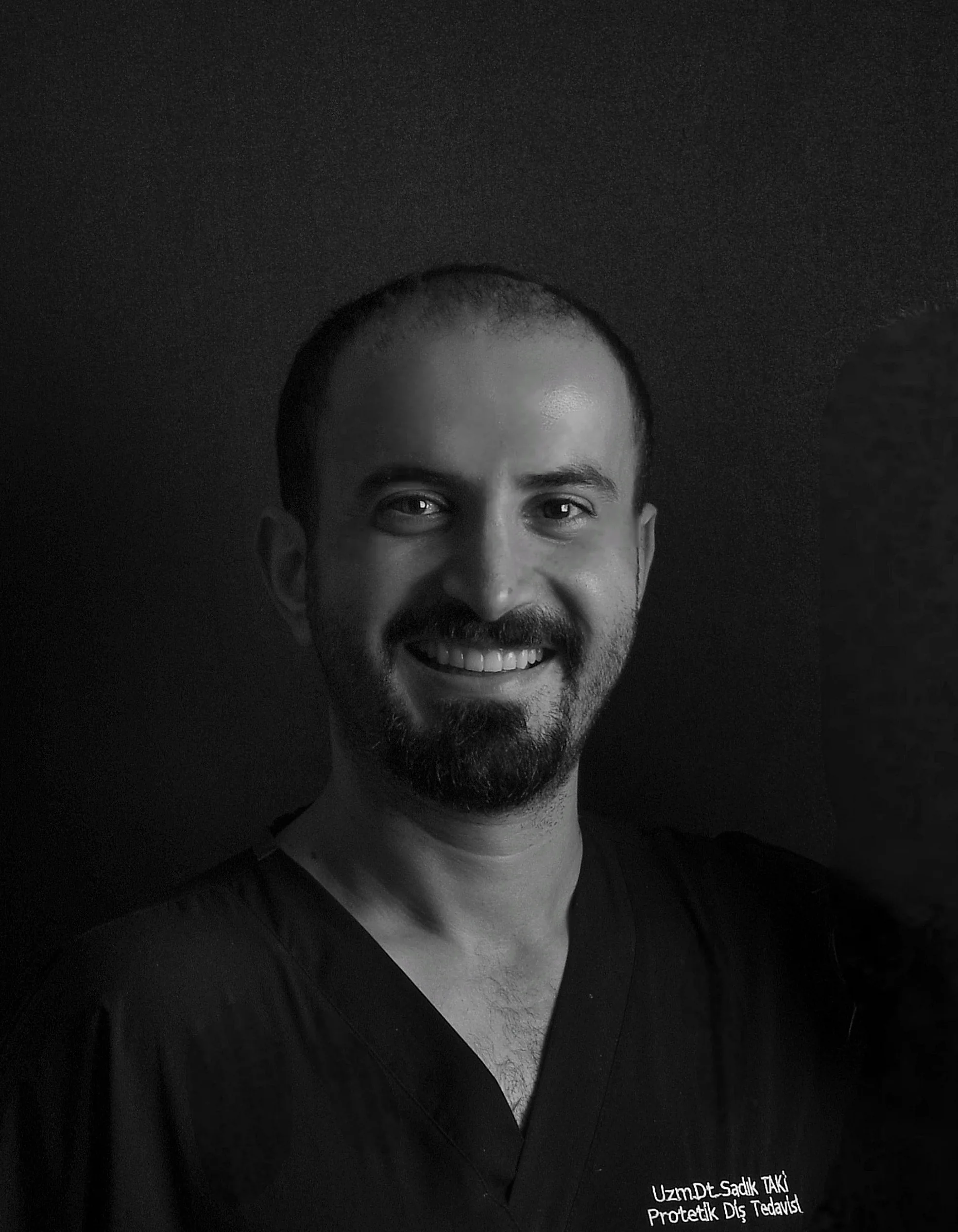
Evidence summarised for patient education by Dr. Sadık Taki. Individual outcomes vary; book a consultation for personalised advice.
Ready to find out which whitening approach fits your teeth and timeline? Book a free consultation with our team and start with a proper assessment.
Ready to Transform Your Smile?
Book your free consultation with our specialist team today.
Schedule Consultation