
Sinus Lift and Bone Augmentation for Dental Implants
Dental Expert
TABLE OF CONTENTS
When there is not enough bone in the upper jaw to anchor an implant, a sinus lift for dental implants can create the height needed to proceed safely. It is one of the most common forms of bone augmentation, and it has opened the door to implant treatment for many patients who were once told they had too little bone. At Taki Dent in Antalya, Dr. Sadık Taki performs these procedures to rebuild a dependable foundation before placing implants. This article explains what a sinus lift involves, when bone augmentation is needed, and what peer-reviewed evidence tells us about the options.
Why Bone Height Matters in the Upper Jaw
The back of the upper jaw is a challenging area for implants. Above the molars and premolars sits the maxillary sinus, an air-filled cavity, and the layer of bone separating the mouth from the sinus can be thin. When upper teeth are lost, that bone tends to shrink over time, and the sinus can also expand downward into the space. The result is often too little bone to hold an implant securely.
A sinus lift addresses this by gently raising the sinus membrane and adding bone graft material in the space created, increasing the height of bone available. Once the graft matures, there is enough solid foundation for an implant to integrate. For patients hoping for dental implants in Antalya, this procedure can be the difference between being turned away and receiving a lasting result.
Types of Bone Augmentation
Sinus lifting is one member of a wider family of augmentation techniques used to rebuild bone before or during implant placement. The main approaches include:
- Sinus lift (sinus floor elevation): adds bone height in the upper back jaw beneath the sinus.
- Ridge augmentation: rebuilds width or height of the jaw ridge where bone has narrowed.
- Socket preservation: places graft material into a socket after extraction to limit shrinkage.
- Block or particulate grafting: uses the patient's own bone or biocompatible substitutes to restore larger defects.
The choice depends on how much bone is missing and where. During planning, 3D imaging measures the exact bone available so the least invasive effective option can be selected.
What the Evidence Says About Sinus Augmentation
A Cochrane systematic review by Esposito, Felice and Worthington (2014) examined augmentation procedures of the maxillary sinus and how they support implant treatment. The review found that where residual bone height is limited, sinus lift procedures can successfully enable implants to be placed, and that various grafting materials and techniques can work. Importantly, the authors highlighted that the evidence base has limitations and that no single material or method was proven clearly superior to the others.
Dr. Taki's clinical perspective follows this evidence closely. The takeaway is not that one product is best for everyone, but that a well-executed sinus lift is a reliable way to create bone for implants, and that technique and case selection matter more than any particular branded material. This honest reading of the research protects patients from marketing claims that promise more certainty than the science supports.
How a Sinus Lift Is Performed
There are two main ways to raise the sinus, and the right one depends on how much height must be gained.
The lateral window technique
Used when a larger increase in bone is needed, this approach accesses the sinus through a small opening in the side of the jaw. The sinus membrane is carefully lifted and graft material is placed underneath. Implants may be placed at the same time or after a healing period, depending on the starting bone.
The crestal (internal) technique
When only a modest lift is required, the sinus can often be raised through the same channel prepared for the implant. This is less invasive and is frequently combined with immediate implant placement in suitable cases.
| Stage | Typical Timeframe | What Happens |
|---|---|---|
| Assessment | Consultation | 3D imaging measures bone and sinus anatomy |
| Sinus lift surgery | Single appointment | Membrane raised, graft placed under local anaesthesia |
| Graft maturation | Several months | New bone forms and matures |
| Implant placement | Same visit or later | Implant placed into the augmented bone |
Timelines vary with the technique and the individual, so the sequence is confirmed after your imaging is reviewed. In some patients, implants and grafting happen together; in others, the graft is allowed to heal first.
Recovery and What to Expect
Most patients find a sinus lift more comfortable than they anticipate. Some swelling and mild discomfort in the first days is normal, and specific aftercare advice is important during healing. To support a smooth recovery, we generally advise patients to:
- Avoid blowing the nose forcefully in the early healing period.
- Refrain from smoking, which impairs graft healing.
- Take any prescribed medication as directed.
- Eat softer foods and avoid pressure on the treated area at first.
- Attend follow-up reviews so healing can be confirmed before implants are loaded.
Because grafted bone needs time to mature, patience during this phase protects the long-term result. Rushing the process risks the very stability the graft is designed to provide.
Sinus Lift Within a Full Treatment Plan
Bone augmentation rarely stands alone; it is usually one step in a larger plan to restore function and appearance. For patients rebuilding several teeth or an entire arch, a sinus lift may set the stage for solutions such as the All-on-4 technique, All-on-6 restorations or a comprehensive full-mouth restoration. Where bone is severely limited, full-arch designs are sometimes chosen specifically to reduce or avoid the need for grafting by using the strongest remaining bone. Understanding these alternatives is part of an honest consultation, and you can review transparent treatment prices as you plan.
The Taki Dent Perspective
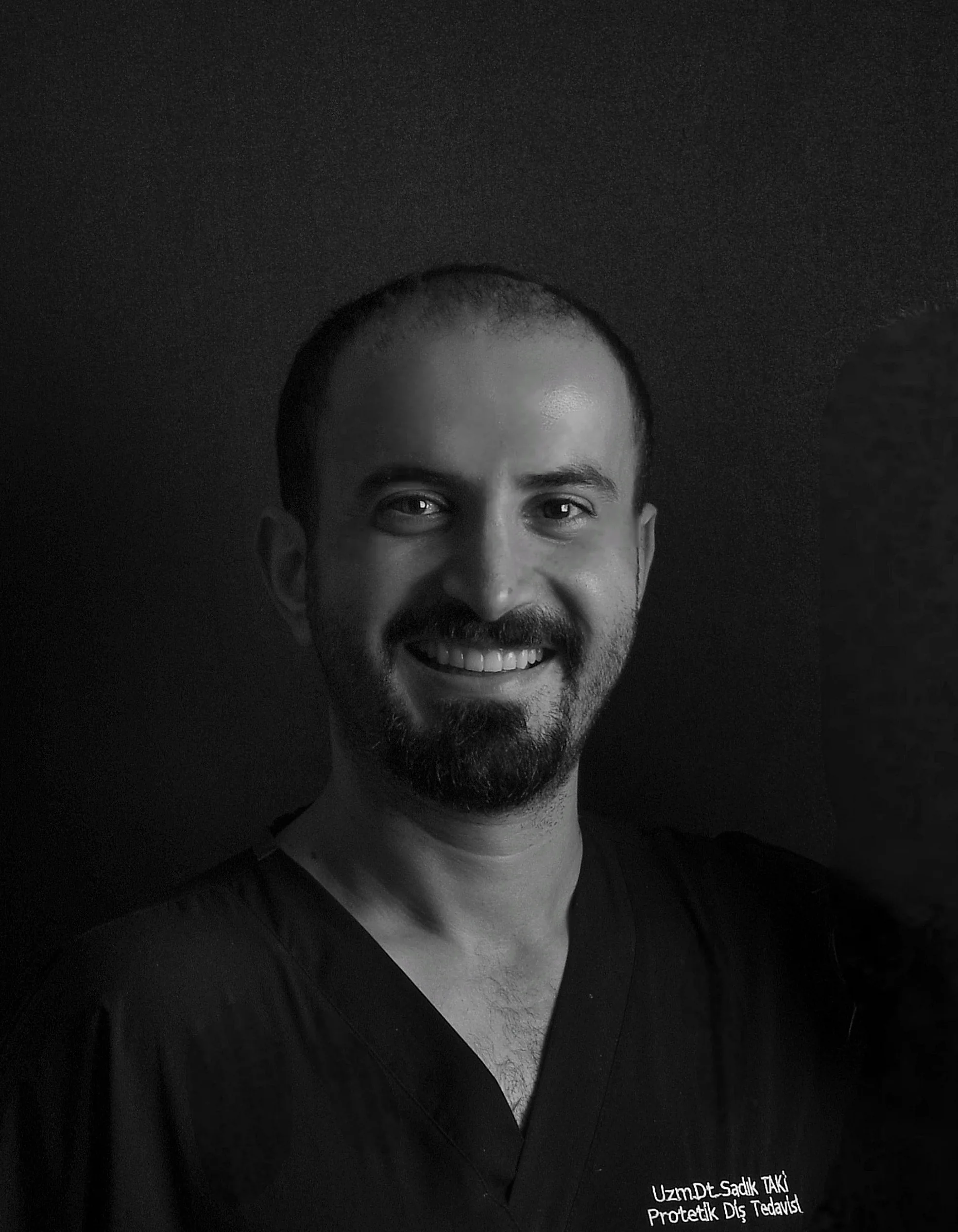
A sinus lift is a well-established, evidence-supported way to make implant treatment possible when the upper jaw lacks bone. The research reminds us to be realistic about the limits of the evidence and to prioritise sound technique over marketing, which is exactly the philosophy behind our approach. To meet the specialist who will assess your bone and plan your care, read about Dr. Sadık Taki and his prosthodontic expertise.
Scientific References
This article reflects current peer-reviewed evidence. Key sources include:
- Esposito, M., Felice, P., & Worthington, H. V. (2014). Interventions for replacing missing teeth: augmentation procedures of the maxillary sinus. Cochrane Database of Systematic Reviews. https://doi.org/10.1002/14651858.CD008397.pub2
Evidence summarised for patient education by Dr. Sadık Taki. Individual outcomes vary; book a consultation for personalised advice.
To find out whether a sinus lift could make implants possible for you, book a free consultation with our specialists today.
Ready to Transform Your Smile?
Book your free consultation with our specialist team today.
Schedule Consultation