
Osseointegration Explained: How Dental Implants Fuse to Bone
Dental Expert
TABLE OF CONTENTS
Every successful dental implant depends on a quiet biological miracle called osseointegration, the process by which living bone grows directly onto a titanium surface and locks the implant firmly in place. It is the reason a small titanium post can support a crown, a bridge or a full arch of teeth for decades. At Taki Dent in Antalya, Dr. Sadık Taki plans every case around this process, because understanding how implants fuse to bone is the key to predicting long-term success. This article explains what happens beneath the gum, why it works, and what you can do to help it along.
What Osseointegration Really Means
The term describes a direct structural and functional connection between ordered, living bone and the surface of a load-bearing implant. In simpler words, the bone does not merely hold the implant tightly; it actually bonds to it at a microscopic level, with no fibrous tissue in between. This discovery, made in the mid-twentieth century and refined over fifty years of research, transformed dentistry. As Buser, Sennerby and De Bruyn (2016) describe in their review of half a century of progress, osseointegration is the biological foundation on which all of modern implant dentistry is built.
When you choose dental implants in Antalya, you are relying on this bond rather than on any adhesive or mechanical clamp. It is what gives a well-integrated implant a stability that can rival, and sometimes exceed, that of a natural tooth root.
Why Titanium Works So Well
Titanium is the material of choice for a reason. When exposed to air, its surface forms a stable oxide layer that the body recognises as compatible rather than foreign. This biocompatibility means the immune system does not mount an attack, and bone cells feel free to settle on the surface and begin depositing new bone.
Modern implants go a step further. Manufacturers texture and treat the titanium surface to encourage faster and stronger bone attachment. The half-century of development reviewed in the scientific literature has steadily improved these surfaces, shortening healing times and widening the range of patients who can be treated predictably. The result is that today's implants integrate more reliably than the smooth-surfaced designs of earlier decades.
The Stages of Healing: How Implants Fuse to Bone
Osseointegration is not instant. It unfolds over weeks and months in a sequence that Dr. Taki monitors carefully at each stage.
Stage 1: Primary stability
At the moment of placement, the implant is held by the mechanical grip of the surrounding bone, much like a screw in wood. This initial firmness is called primary stability, and achieving it is one of the surgeon's most important goals during surgery.
Stage 2: Early biological response
In the first days, a blood clot forms around the implant and healing cells arrive. The body begins to break down damaged bone at the surface while preparing to build new tissue. This is a delicate window, and primary stability temporarily dips as old bone is remodelled.
Stage 3: Bone formation and remodelling
Over the following weeks, bone-forming cells lay down fresh bone directly against the titanium surface. Secondary stability, the biological lock created by this new bone, gradually takes over from the initial mechanical grip. By the end of the healing period the implant is fused in place.
| Phase | Typical Timeframe | What Is Happening |
|---|---|---|
| Placement | Day 0 | Mechanical primary stability established |
| Early healing | Weeks 1 to 4 | Clot forms, bone remodelling begins |
| Bone formation | Weeks 4 to 12 | New bone bonds to the titanium surface |
| Full integration | 3 to 6 months | Implant ready to support a permanent restoration |
Healing times vary with bone quality, implant location and individual health, which is why Dr. Taki confirms integration before the final crown or bridge is fitted rather than working to a fixed calendar.
Factors That Support or Threaten Integration
The research makes clear that osseointegration is influenced by both the clinician's decisions and the patient's biology. The factors that matter most include:
- Bone quality and quantity: Denser, more plentiful bone generally integrates faster and more predictably.
- Surgical technique: Gentle preparation that avoids overheating the bone protects the cells responsible for healing.
- Implant surface and design: Modern textured surfaces promote quicker bone attachment.
- Smoking: Tobacco restricts blood flow and is associated with slower, less reliable integration.
- General health: Well-controlled conditions support healing, while uncontrolled diabetes or certain medications can interfere with it.
Because these variables interact, an honest assessment before treatment is essential. During consultation we review your medical history and 3D imaging to judge how favourable your integration is likely to be, and to decide whether any preparation is needed.
When Bone Is Limited
Not everyone arrives with ideal bone, particularly after years of missing teeth. Bone naturally shrinks when it no longer supports a root, but this rarely rules out implants. Grafting can rebuild lost volume, and full-arch strategies are designed to make the most of the bone that remains. Solutions such as the All-on-4 technique and All-on-6 restorations position implants to engage the strongest available bone, which supports dependable osseointegration even in more challenging cases. For patients rebuilding an entire smile, full-mouth restoration combines these principles into a comprehensive plan.
How to Help Your Implant Integrate
Patients often ask what they can do during the healing months. The most helpful steps are straightforward:
- Follow all post-operative instructions, including any prescribed medication.
- Keep the area clean while avoiding aggressive brushing of the surgical site early on.
- Eat softer foods in the initial healing period to limit stress on the implant.
- Avoid smoking, which the evidence links to poorer integration.
- Attend your review appointments so integration can be confirmed before the final restoration.
Patience is part of the process. Rushing to load an implant before the bone has bonded can jeopardise the very stability you are waiting for, which is why Dr. Taki times each stage to the biology rather than to convenience.
The Taki Dent Perspective
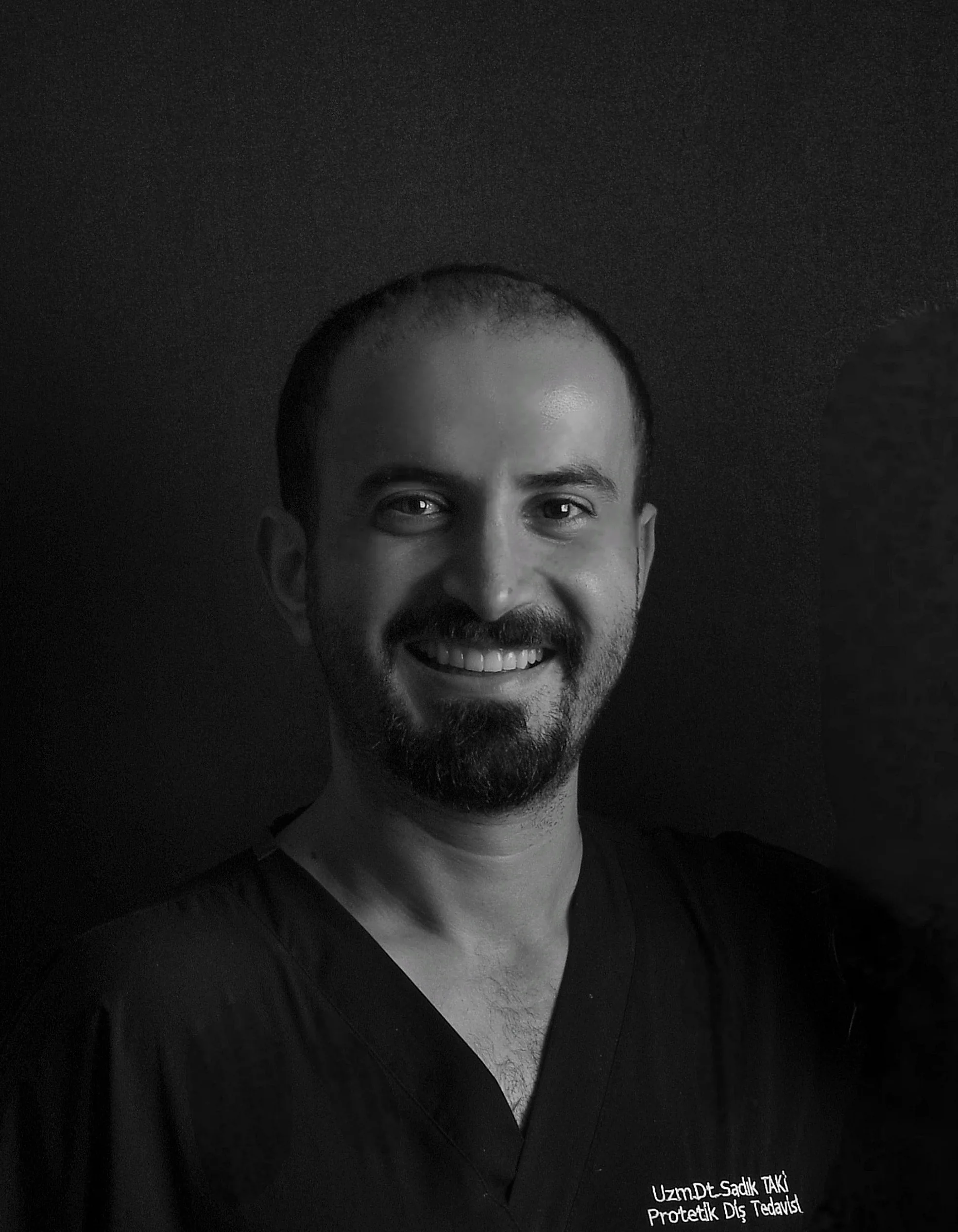
Osseointegration is the reason dental implants have become the gold standard for replacing missing teeth, and fifty years of research explain why the approach is so dependable when it is done well. Our role is to create the ideal conditions for that bond to form, through careful planning, gentle surgery and honest guidance about the factors within your control. To meet the specialist who will oversee your care, you can read about Dr. Sadık Taki and his prosthodontic expertise.
Scientific References
This article reflects current peer-reviewed evidence. Key sources include:
- Buser, D., Sennerby, L., & De Bruyn, H. (2016). Modern implant dentistry based on osseointegration: 50 years of progress, current trends and open questions. Periodontology 2000. https://doi.org/10.1111/prd.12185
Evidence summarised for patient education by Dr. Sadık Taki. Individual outcomes vary; book a consultation for personalised advice.
To find out whether your bone is ready for implants, book a free consultation with our specialists today.
Ready to Transform Your Smile?
Book your free consultation with our specialist team today.
Schedule Consultation