
Implant Complications: What to Expect and How to Prevent Them
Dental Expert
TABLE OF CONTENTS
Dental implants have a high success rate, but being informed about the possible complications — and how they are prevented — helps you make a confident decision. Here is an honest overview from Taki Dent.
Early complications
In the first days after surgery, swelling, bruising, minor bleeding and temporary discomfort are common and usually settle with simple pain relief. Temporary numbness can occur and normally fades. These are expected effects of surgery rather than true complications.
Implant failure (failure to integrate)
Occasionally an implant does not fuse with the bone (osseointegration fails), or loosens later. Independent studies report around 90–95% survival at 10 years (Howe et al., Journal of Dentistry, 2019), so failure is uncommon. When it happens, the implant is removed, the site is allowed to heal, and it is usually replaced — corrective work covered by our written guarantee is free at the clinic.
Peri-implantitis (infection)
This is inflammation and bone loss around an implant, driven mainly by plaque and made worse by smoking. It is largely preventable with good home cleaning and regular professional maintenance, and treatable if caught early — which is why follow-up matters.
Nerve and sinus issues
In the lower jaw, poor planning can risk the nerve, causing persistent numbness; in the upper back jaw, implants sit near the sinus. Both are rare and are minimised by 3D CBCT planning and specialist surgery, which map the exact position of nerves and the sinus before any implant is placed.
How we prevent complications
- 3D planning: every case is planned on a CBCT scan before surgery.
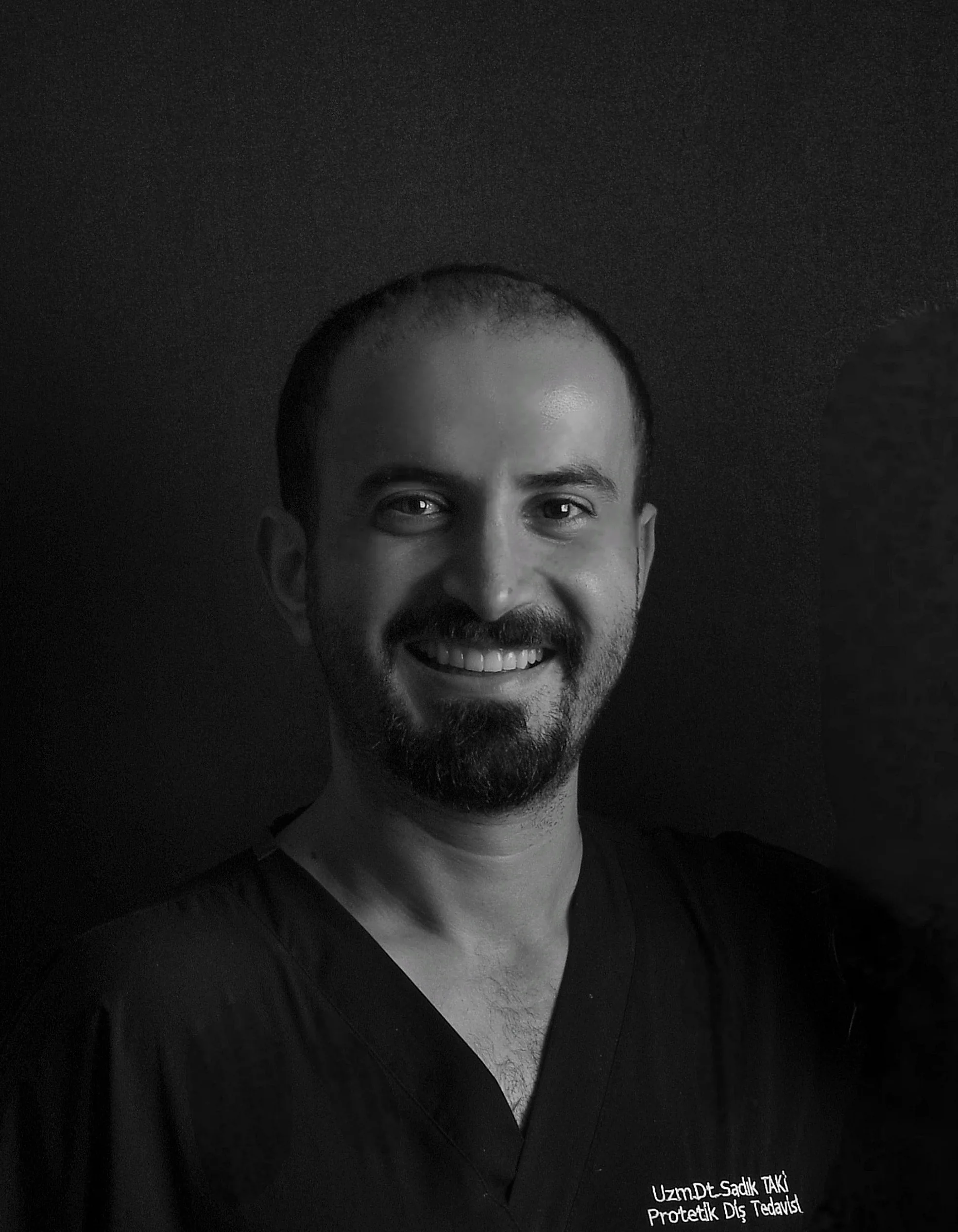
- Specialist team: surgery by an oral and maxillofacial surgeon; the restoration by specialist prosthodontist Dr Sadık Taki (Ministry of Health specialty registration 61875).
- Quality components: internationally recognised systems (Straumann, Nobel Biocare).
- Aftercare: written instructions and remote follow-up after you return home.
What you can do
Do not smoke, keep the area clean as instructed, eat soft foods in the first days, and attend your check-ups and professional cleanings. These simple steps have a large effect on long-term success.
If you have severe pain, heavy bleeding, spreading swelling or fever after returning home, seek local emergency care and contact us via WhatsApp or phone. This article is general information and does not replace an individual clinical assessment — see our prices page for costs.
Ready to Transform Your Smile?
Book your free consultation with our specialist team today.
Schedule Consultation