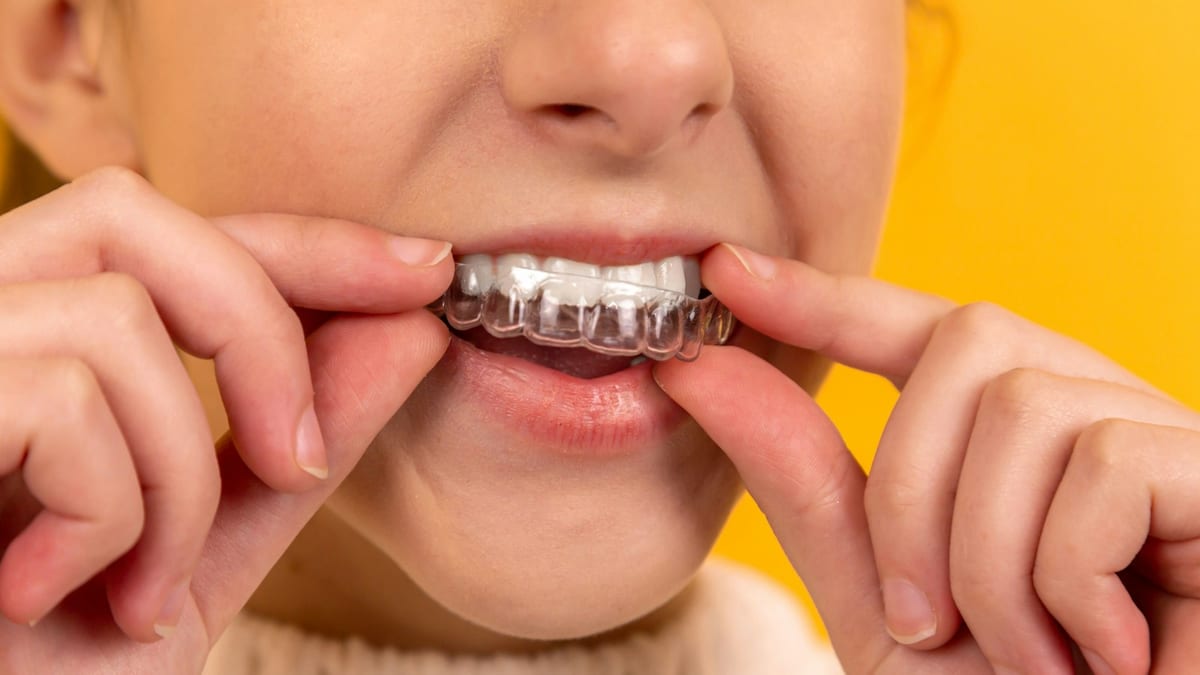

Composite vs Porcelain Veneers: Full Comparison
Dental Expert
TABLE OF CONTENTS
Choosing between composite and porcelain veneers is one of the most common questions patients ask before a smile transformation. Both can dramatically improve the appearance of your teeth, but they differ in cost, longevity, aesthetics, and the amount of tooth preparation required. Here is everything you need to know to make the right decision.
What Are Composite Veneers?
Composite veneers are made from a tooth-coloured resin material applied directly to the tooth surface and sculpted by the dentist in a single appointment. They require minimal or no removal of enamel and can often be completed in one visit. The resin is cured with a special light and polished to a smooth finish.
Composite veneer pros:
- Lower cost per tooth (from €205 in Turkey)
- Reversible — enamel often remains intact
- Repairable if chipped or cracked
- Completed in a single visit
- No need for dental laboratory fabrication
Composite veneer cons:
- Shorter lifespan: 3–7 years with good care
- More prone to staining (coffee, wine, cigarettes)
- Less translucent and natural-looking than porcelain
- Can chip more easily than ceramic
- Require re-polishing every 1–2 years
What Are Porcelain Veneers?
Porcelain veneers — including E.max (lithium disilicate) and zirconia-based options — are thin ceramic shells fabricated in a dental laboratory to exact measurements. They are bonded permanently to the front surface of the tooth after a small amount of enamel is removed (typically 0.3–0.7mm) to create space for the restoration.
Porcelain veneer pros:
- Natural, translucent appearance mimics real enamel
- Highly stain resistant
- Long lifespan: E.max 10–20 years, zirconia 15–25 years
- Extremely durable once bonded
- Custom-crafted shade, shape, and size in the laboratory
Porcelain veneer cons:
- Higher cost per tooth (from €440 at Taki Dent in Turkey)
- Requires at least two appointments (preparation + fitting)
- Small amount of enamel removed (irreversible)
- Cannot be repaired if cracked — must be replaced
Side-by-Side Comparison
| Feature | Composite | E.max Porcelain | Zirconia |
|---|---|---|---|
| Average cost (Turkey) | from €205/tooth | from €440/tooth | €180–€450/tooth |
| Lifespan | 3–7 years | 10–20 years | 15–25 years |
| Aesthetics | Good | Excellent | Very good |
| Stain resistance | Moderate | Very high | Very high |
| Enamel removal | Minimal / none | 0.3–0.5 mm | 0.5–0.7 mm |
| Reversible | Usually yes | No | No |
| Repairable | Yes | No (replace) | No (replace) |
Which Should You Choose?
Choose Composite Veneers If:
- You are on a tighter budget and want immediate results
- You want a reversible option to "try" veneers before committing to porcelain
- You have minor chips, gaps, or discolouration to correct
- You are younger and anticipate replacing them when technology improves
Choose Porcelain Veneers If:
- You want a long-term, low-maintenance solution
- Aesthetics are your primary concern — natural translucency matters to you
- You drink coffee, tea, or red wine regularly
- You are investing in a full smile transformation
E.max Veneers: The Gold Standard
At Taki Dent, the most popular choice among international patients is E.max porcelain veneers in Turkey — combining exceptional aesthetics with 10–20 year longevity at a fraction of UK or European prices. E.max lithium disilicate closely mimics the light-transmitting properties of natural tooth enamel, making it virtually impossible to distinguish from real teeth.
For patients seeking the ultimate in durability — particularly those who grind their teeth — our veneers in Turkey page also covers zirconia options. If you are considering a complete smile transformation, a Hollywood Smile in Turkey package combining veneers, whitening, and gum contouring may be the ideal solution.
Request a free smile consultation and our dental team will recommend the best veneer type for your specific case. You can also view our full dental treatment prices for transparent cost comparisons.
Maintenance Matters
Regardless of which type you choose, the longevity of your veneers depends heavily on aftercare. Avoid biting hard objects, use a soft-bristled toothbrush, wear a night guard if you grind your teeth, and attend regular check-ups. Porcelain veneers require no special maintenance beyond normal oral hygiene — they will not stain and do not need re-polishing.
Ready to Transform Your Smile?
Book your free consultation with our specialist team today.
Schedule Consultation