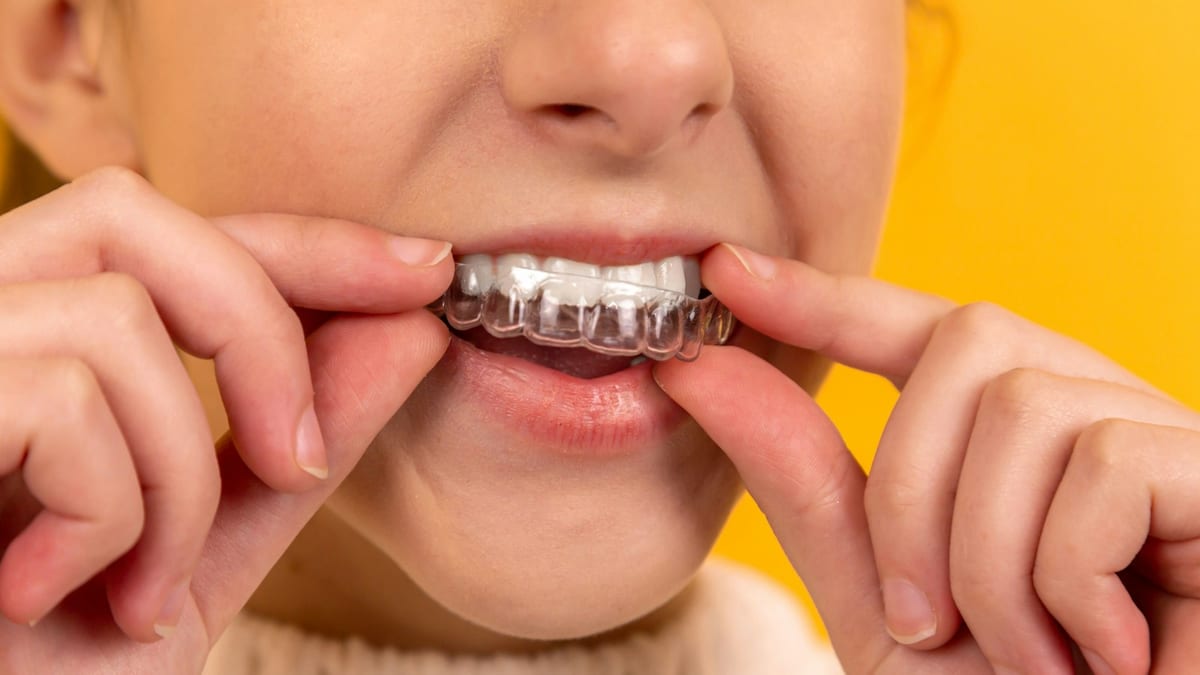

Snap-On Dentures vs Implants: Which Is Right for You?
Dental Expert
TABLE OF CONTENTS
If you have lost most or all of your teeth, you have probably narrowed your choices down to two main options and typed snap-on dentures vs implants into Google more than once. Both restore your ability to eat and smile, both are anchored by dental implants, yet they differ significantly in stability, cost, maintenance and long-term outcomes. As a prosthodontist, I spend a good part of every consultation walking patients through exactly this decision, so let me give you the honest version here.
First, What Each Option Actually Is
Snap-on dentures (implant-retained overdentures)
A snap-on denture is a removable denture that clips onto two to four implants placed in the jaw. Small attachments, usually ball or locator abutments, act like press studs: the denture snaps firmly into place during the day and is removed at night for cleaning. It is far more stable than a conventional denture that relies on suction and adhesive, but it is still, fundamentally, a removable appliance.
Fixed implant bridges (including All-on-4)
A fixed solution such as All-on-4 treatment attaches a full arch of teeth permanently onto four to six implants. Only a dentist can remove it. It functions much closer to natural teeth: you brush it in your mouth, you never take it out, and there is no palate-covering plate on the upper jaw, which many patients find dramatically improves taste and comfort.
Snap-On Dentures vs Implants: Side-by-Side Comparison
Here is how the two options compare on the factors patients ask about most often:
| Factor | Snap-On Denture | Fixed Implant Bridge (All-on-4/6) |
|---|---|---|
| Number of implants | 2-4 per arch | 4-6 per arch |
| Removable? | Yes, removed nightly | No, fixed in place |
| Chewing power | Roughly 60-80% of natural teeth | Close to natural teeth in most cases |
| Palate coverage (upper jaw) | Often reduced but some acrylic remains | None; open palate |
| Bone preservation | Good around implants; some pressure on gums elsewhere | Better overall load distribution |
| Maintenance | Attachment inserts replaced every 6-18 months; reline every few years | Professional cleaning and check-ups; prosthesis review every few years |
| Typical cost in Turkey | Lower; fewer implants and simpler prosthesis | Higher initial investment |
| Feels like own teeth? | Much better than a standard denture, but still removable | Closest available to natural teeth |
Where Snap-On Dentures Shine
Snap-on dentures are a genuinely good option in the right circumstances, and I recommend them regularly. They tend to suit patients who:
- Have a limited budget. With only two implants needed per arch in many cases, the total cost is noticeably lower than a fixed bridge. You can see how the options compare on our transparent price list.
- Have significant bone loss. Fewer implants means more flexibility in where they are placed, which can sometimes avoid bone grafting.
- Already wear a denture and cope well with it. The adjustment is small; the improvement in stability feels enormous.
- Prefer easy cleaning. Removing the denture at night makes hygiene straightforward, which matters for patients with limited dexterity.
The most common feedback I hear from snap-on patients is relief: no more adhesive, no more denture lifting mid-sentence, and the confidence to eat in restaurants again.
Where Fixed Implants Win
A fixed full-arch restoration is the closest modern dentistry gets to giving you your natural teeth back. Patients who choose full mouth restoration on implants typically value:
- Maximum chewing strength. Steak, apples, crusty bread — foods that challenge any removable appliance are usually back on the menu.
- Psychological permanence. Nothing comes out at night. For many patients, this matters more than they expected; a removable denture, however stable, still feels like a prosthesis.
- An open palate. On the upper jaw, removing the acrylic plate restores full taste and temperature sensation.
- Lower long-term maintenance. No attachment inserts to replace and no periodic relines, although professional hygiene visits remain essential.
Cost: The Honest Picture
In the UK or US, a snap-on denture often costs less than half the price of a fixed full-arch bridge, and the same proportional gap applies in Turkey — just at a much lower absolute level. In Antalya, patients typically pay 50-70% less than at home for either option, with the same premium implant brands (Straumann, Nobel Biocare, Osstem) available. Remember to factor in lifetime costs, not just the initial fee: snap-on attachments and relines add modest recurring expenses, while fixed bridges cost more upfront but need less ongoing intervention in most cases.
Which One Is Right for You? A Quick Self-Check
- Is budget your primary constraint? A snap-on denture delivers perhaps 80% of the benefit at a significantly lower cost.
- Do you hate the idea of anything removable? Choose fixed. No compromise will make a removable appliance feel permanent.
- Do you have advanced bone loss? Both remain possible, but the treatment plan needs a CT scan before anyone can promise anything. Techniques used in All-on-4 often avoid grafting by angling the rear implants.
- Is your dexterity limited? Snap-on dentures are easier to clean thoroughly at home.
- Are you a heavy grinder or clencher? Your dentist may adjust the material choice and design either way; mention it at consultation.
Can You Upgrade Later?
A question I am asked weekly: can you start with a snap-on denture and move to a fixed bridge later? Often, yes — provided the original implants were positioned with that possibility in mind. This is exactly why implant placement should be planned by a prosthodontist thinking about the final teeth, not just the surgery. If there is any chance you will want a fixed solution in the future, tell your dentist before the first implant goes in, so the number and position of implants keep that door open.
What Recovery Looks Like for Each
Surgical recovery is similar for both, since both begin with dental implants in Antalya: a healing period of roughly two to four months while the implants integrate with the bone. The difference is in the interim phase. Snap-on patients usually wear a modified temporary denture during healing, while fixed-bridge patients can often receive a fixed temporary bridge within days of surgery, depending on bone quality and implant stability. In both cases, individual healing varies, and your treatment plan should be confirmed after a 3D scan rather than assumed from a website.
The Bottom Line
Neither option is universally better. A snap-on denture is a cost-effective, stable and life-changing upgrade from a conventional denture. A fixed implant bridge is a more complete replacement for natural teeth at a higher price. The right answer depends on your bone, your budget, your habits and your expectations — which is precisely what a proper consultation is for. Every full-arch case at our clinic is covered by a written treatment guarantee, whichever route you choose.
Send us your X-ray or simply describe your situation, and our specialists will prepare a free, no-obligation comparison of both options for your case — get in touch with Taki Dent today.
Ready to Transform Your Smile?
Book your free consultation with our specialist team today.
Schedule Consultation