
How Long Do Porcelain Veneers Last? The Research
Dental Expert
TABLE OF CONTENTS
Patients considering a smile makeover almost always ask the same first question: how long do porcelain veneers last? It is the right question to ask, because veneers are an investment in both appearance and tooth structure. Fortunately, we do not have to rely on guesswork or marketing claims. A substantial body of peer-reviewed research has tracked porcelain laminate veneers over many years, and the findings are consistently encouraging. In this article, I summarise what the strongest available evidence tells us, and what it means for you as a patient.
What the Research Says About How Long Porcelain Veneers Last
The most rigorous way to answer a longevity question in dentistry is a systematic review with meta-analysis, which pools data from many clinical studies rather than relying on a single practice's results. Morimoto and colleagues (2016) published exactly such an analysis in The International Journal of Prosthodontics, examining the survival and complication rates of feldspathic porcelain and glass-ceramic laminate veneers.
Their headline finding: pooled data indicated an estimated survival rate of approximately 89% for ceramic veneers over follow-up periods extending beyond nine years. In plain terms, roughly nine out of ten veneers were still in place and functioning well close to a decade after placement. For a restoration that is typically less than one millimetre thick, that is a remarkable clinical performance.
The review also compared the two main ceramic families. Feldspathic porcelain, the traditional layered material prized for its optical beauty, and pressed or milled glass-ceramics, such as the lithium disilicate used in E.max veneers and crowns, both performed well. Modern glass-ceramics offer greater flexural strength, which is one reason many clinics, including ours, favour them for patients with heavier bites.
Survival vs Success: What the Studies Actually Measure
When you read that a veneer has "survived", it means the restoration is still in the mouth and serving its purpose. "Success" is a stricter standard: the veneer has survived without any complication at all. Understanding this distinction helps you interpret the numbers realistically.
Morimoto and colleagues catalogued the complications that did occur across the pooled studies. The most frequently reported issues were:
- Ceramic fracture or chipping — the most common complication, though many chips are small and polishable rather than requiring replacement.
- Debonding — the veneer detaching from the tooth, which can often be resolved by re-cementing if the veneer is intact.
- Marginal discolouration — a thin stain line at the edge of the veneer, usually a cosmetic rather than structural concern.
- Secondary caries and endodontic complications — reported only in a small minority of cases, and strongly linked to oral hygiene and how much enamel was preserved during preparation.
Crucially, most complications in the literature were repairable. A veneer that chips at year eight has not "failed" in the way patients often fear; in many cases it can be smoothed, repaired or replaced individually without disturbing its neighbours.
Realistic Lifespan Expectations by Scenario
Research averages are useful, but individual outcomes depend heavily on patient factors. Based on the published survival data and our clinical experience at Taki Dent, here is a realistic framework:
| Patient profile | Typical expectation | Key influencing factor |
|---|---|---|
| Healthy bite, good hygiene, enamel-based bonding | 10–15+ years in most cases | Bonding to enamel rather than dentine |
| Night-time teeth grinding (bruxism), unprotected | Noticeably shorter without a night guard | Repeated overload causes chipping |
| Bruxism managed with a night guard | Comparable to standard expectations | Guard absorbs grinding forces |
| Heavy smoking, irregular dental visits | Higher risk of margin staining and gum problems | Hygiene and follow-up care |
These are patterns observed in research and practice, not promises. Every mouth is different, which is why we assess bite forces, enamel quality and habits before recommending porcelain veneers in Antalya to any patient.
Why Enamel Preservation Matters So Much
One of the clearest lessons from the veneer literature is that the bond between porcelain and enamel is exceptionally durable, while bonds to exposed dentine are weaker and more prone to debonding over time. This has a direct practical consequence: the more conservative the tooth preparation, the longer the veneer is likely to last.
As a prosthodontist, this is where I believe technique matters more than any brand of ceramic. Minimal-preparation protocols, careful case selection and meticulous isolation during bonding are the unglamorous details that separate a veneer lasting five years from one lasting fifteen. It is also why we sometimes advise a patient that veneers are not the right choice for them — for example, when teeth are heavily restored and zirconium crowns would offer a more predictable long-term result.
How to Help Your Veneers Reach Their Full Lifespan
Research consistently links longevity to daily habits. To give your veneers the best chance of matching or exceeding the published survival figures:
- Brush twice daily with a non-abrasive fluoride toothpaste and clean between teeth every day.
- Wear a custom night guard if you grind or clench — this is non-negotiable for bruxists.
- Avoid using veneered teeth as tools: no nail biting, pen chewing, or opening packaging.
- Limit habits that stain margins, particularly smoking and very frequent coffee or red wine.
- Attend a professional check-up and cleaning every six months so small issues are caught early.
Dr. Taki's Clinical Perspective
The 89% long-term survival figure from the Morimoto meta-analysis matches what I see clinically: well-planned veneers bonded to enamel are among the most reliable treatments in aesthetic dentistry. The failures I am asked to fix almost always trace back to poor case selection or aggressive preparation, not to the porcelain itself. Choose the right cases, respect the enamel, and the material rewards you for decades.
Because veneers are frequently placed as part of a complete Hollywood smile makeover, we also plan the bite across the whole arch, not tooth by tooth. A veneer that fights the patient's bite will always lose eventually, no matter how strong the ceramic. If you would like a broader overview of lifespan by material, our guide on how long dental veneers last compares composite, E.max and zirconia options side by side.
Scientific References
This article reflects current peer-reviewed evidence. Key sources include:
- Morimoto, S., Albanesi, R., Sesma, N., Agra, C., & Braga, M. (2016). Main Clinical Outcomes of Feldspathic Porcelain and Glass-Ceramic Laminate Veneers: A Systematic Review and Meta-Analysis of Survival and Complication Rates. The International Journal of Prosthodontics. https://doi.org/10.11607/ijp.4315
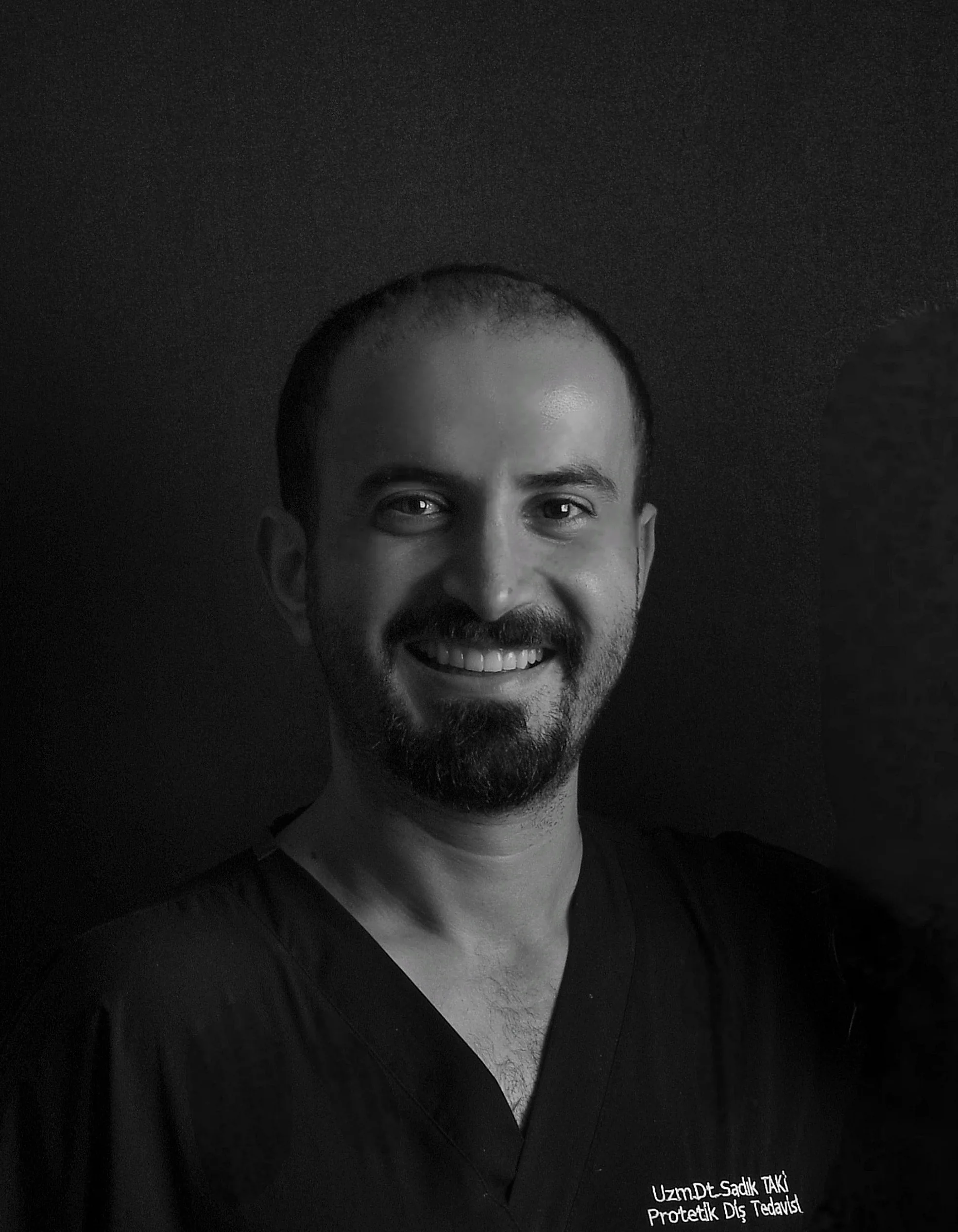
Evidence summarised for patient education by Dr. Sadık Taki. Individual outcomes vary; book a consultation for personalised advice.
If you are wondering whether veneers are the right long-term choice for your smile, book a free consultation with our specialists and we will assess your case honestly.
Ready to Transform Your Smile?
Book your free consultation with our specialist team today.
Schedule Consultation