
Orthodontics for Adults: It's Never Too Late
Dental Expert
TABLE OF CONTENTS
"Am I too old for braces?" It is one of the most common questions adults ask a dentist — often quietly, at the end of an appointment booked for something else. The answer, in almost every case, is no. Adult orthodontics is now one of the fastest-growing areas of dentistry: orthodontic associations in Europe and North America report that a substantial share of new orthodontic patients are over 18, and treatments in patients in their 50s, 60s and beyond are routine. Teeth move through bone remodelling, and bone remodels for life. What changes with age is not whether teeth can move, but how treatment is planned around adult gums, existing dental work and adult lifestyles.
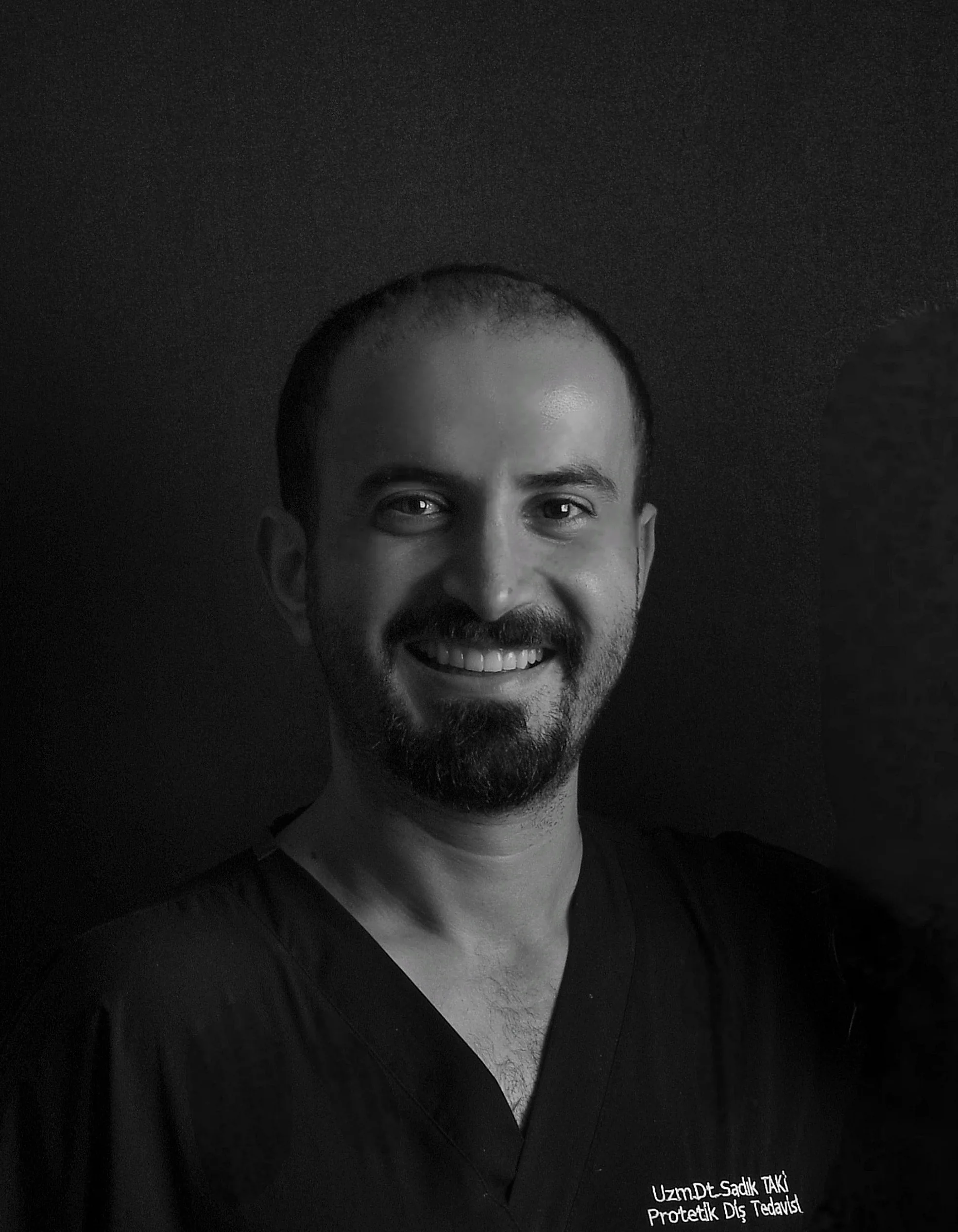
In this article, Dr. Sadık Taki looks at why adults increasingly choose orthodontic treatment, which options suit adult life best, and what a realistic timeline and budget look like.
Why Adult Orthodontics Works at Any Age
Orthodontic movement relies on a simple biological mechanism: gentle, sustained pressure on a tooth stimulates bone to resorb on one side of the root and rebuild on the other. This remodelling capacity does not switch off after adolescence. Adult bone turns over somewhat more slowly, so movements can take a little longer than in teenagers, but the destination is the same.
What matters far more than age is the health of the foundations. Before any adult orthodontic treatment we assess:
- Gum health. Active gum disease must be treated and stabilised first; moving teeth through inflamed tissue risks accelerating bone loss.
- Bone support. Teeth that have lost some supporting bone can often still be moved, but with lighter forces and modified goals.
- Existing restorations. Crowns, bridges and implants change the plan — implants cannot move, so treatment is designed around them.
- Bite function and habits. Grinding, clenching and jaw joint issues are factored into both the plan and the retention phase.
This is why adult orthodontics benefits from being planned within a broader restorative view. As a prosthodontist, Dr. Taki frequently sequences alignment before veneers, crowns or implants: straightening teeth first often means less drilling later, because well-positioned teeth need far less ceramic correction. You can read about his clinical background on the Dr. Sadık Taki profile page.
Your Options: Aligners, Braces and Everything Between
Adults typically weigh three factors that teenagers rarely worry about: visibility, comfort in professional settings, and total treatment time. Here is how the main options compare.
| Option | Visibility | Best Suited To | Typical Duration |
|---|---|---|---|
| Clear aligners (Invisalign) | Nearly invisible | Mild to moderate crowding, spacing, relapse cases | 6–18 months |
| Ceramic (tooth-coloured) braces | Discreet | Moderate to complex cases wanting fixed treatment | 12–24 months |
| Metal braces | Visible | Complex movements, maximum control | 12–24 months |
| Lingual braces (behind the teeth) | Hidden | Patients wanting fixed treatment with zero visibility | 12–24 months |
For most working adults with mild to moderate misalignment, clear aligners have become the default choice, and for understandable reasons: they are removable for meetings and meals, easier to clean around, and require fewer in-person adjustments. Our Invisalign treatment page explains the full process, from digital scan to final retainer. For a deeper, evidence-based look at how aligners and fixed braces compare clinically, see our review of clear aligners versus braces effectiveness.
What Adults Should Realistically Expect
The Adjustment Period
Any orthodontic appliance takes getting used to. Aligner wearers typically notice pressure for a day or two after each new set and a brief lisp that fades within a week. Fixed braces bring a few days of tenderness after fittings and adjustments. In most cases, discomfort is managed with ordinary pain relief and soft foods — significant pain is not normal and should prompt a call to your clinician.
The Discipline Factor
Here adults hold a genuine advantage: compliance. Aligners only work when worn 20–22 hours a day, and adult patients who have chosen and paid for their own treatment tend to wear them properly. The patients who struggle are usually those who underestimated the commitment — so be honest with yourself before choosing a removable system. If you know you will lose track of trays, discreet ceramic braces may serve you better.
Retention Is for Life
The least glamorous truth in orthodontics: teeth drift back without retention, at any age. After active treatment you will need retainers — usually a discreet bonded wire behind the front teeth, night-time clear retainers, or both. Plan for this from the start; it is the difference between a result that lasts decades and one that quietly unravels in two years.
Common Reasons Adults Finally Straighten Their Teeth
- Relapse after teenage braces. Perhaps the most common adult case of all — retainers were lost or abandoned years ago and the teeth have drifted. These cases are often quick, sometimes under six months with aligners.
- Preparing for cosmetic or restorative work. Aligning teeth before veneers or crowns allows thinner, more conservative restorations.
- Health and cleaning difficulties. Crowded teeth trap plaque and are harder to floss; alignment can make daily hygiene genuinely easier.
- Bite problems and uneven wear. Correcting how teeth meet can protect them from chipping and abnormal wear over the following decades.
- Simply wanting it. A milestone birthday, a wedding, a career change — adults rarely need a medical justification, and none is required.
Cost and the Dental Tourism Question
Adult orthodontics in the UK, Ireland and much of Western Europe is a significant investment — clear aligner treatment commonly runs to several thousand pounds. In Turkey the same branded systems, planned by experienced clinicians with identical software, typically cost 50–70% less. Aligner treatment also suits international patients unusually well: after the initial records and fitting visit, much of the monitoring can be handled remotely with photo check-ins, with sets of aligners provided in advance. Current figures are published on our transparent price list.
That said, orthodontics is not a single-trip treatment like veneers, and any clinic that promises to straighten teeth properly in one visit deserves scepticism. A reputable plan will spell out how many visits are needed in person, what is monitored remotely, and who is responsible if refinements are required — ask these questions explicitly before committing.
It Really Is Never Too Late
We have planned successful orthodontic treatment for patients in their 60s and 70s, usually as part of a wider plan to save teeth, improve comfort or prepare for restorations. Age alone has never been the reason to decline a case; gum health, bone support and realistic goals are what decide suitability. If crooked, crowded or drifted teeth have bothered you for years, the honest clinical position is that biology is still on your side — the only real question is which method fits your life.
Wondering which option suits your teeth and your timeline? Contact us for a free consultation and a personalised adult orthodontics assessment.
Ready to Transform Your Smile?
Book your free consultation with our specialist team today.
Schedule Consultation