
E.max Lithium Disilicate Crowns: How Durable Are They?
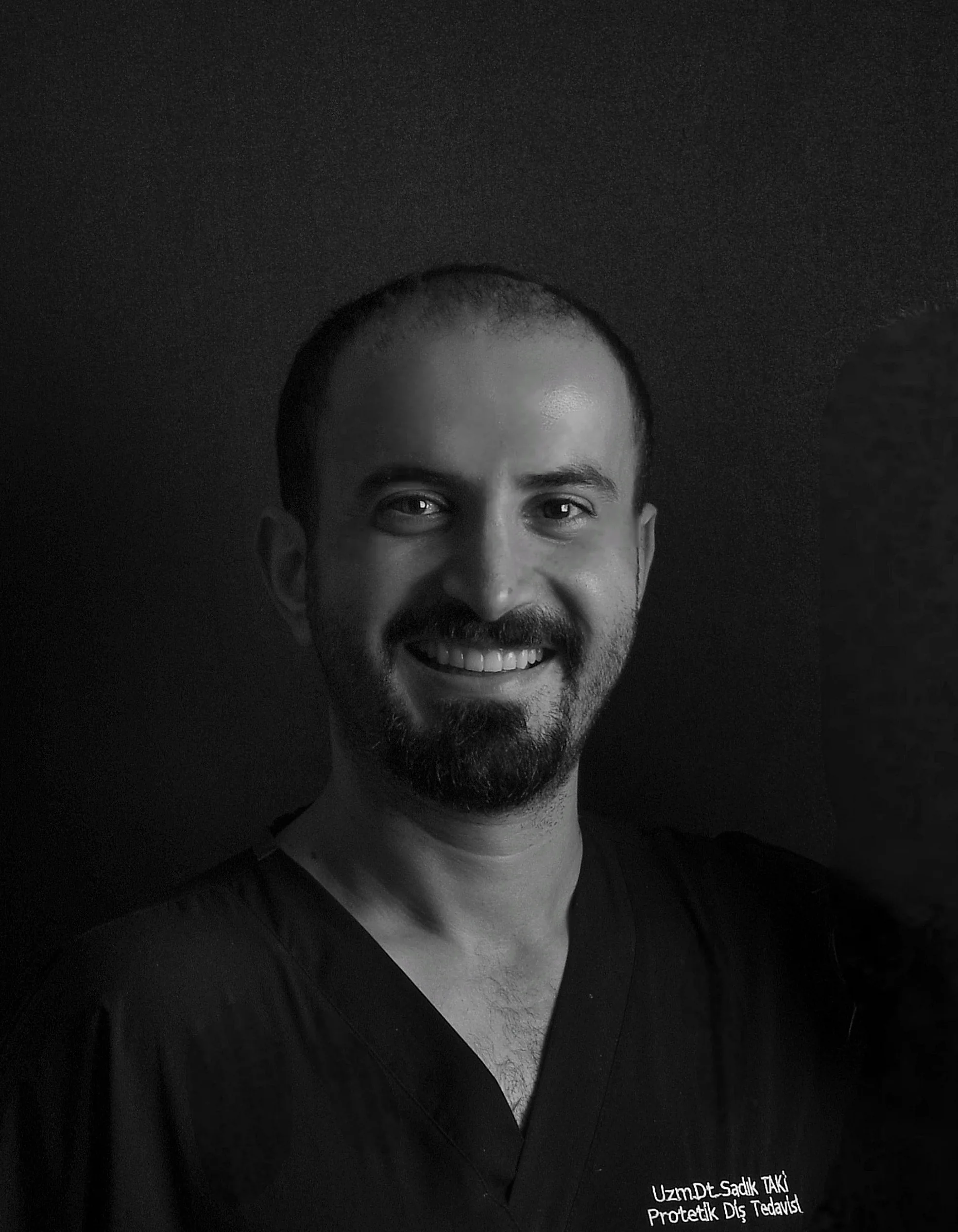
Dental Expert
TABLE OF CONTENTS
Few dental materials have earned a reputation as quickly as lithium disilicate, best known under the brand name IPS E.max. Patients love it for its lifelike translucency; dentists value its bond strength and precision. But reputation is not evidence, and questions about emax crowns durability deserve an answer grounded in published clinical research. In this article I examine what the peer-reviewed literature actually reports about how long E.max restorations survive in real mouths — and where the material's genuine limits lie.
What Is Lithium Disilicate, and Why Does It Behave Differently?
Lithium disilicate is a glass-ceramic: a glassy matrix reinforced with densely packed needle-like crystals that interrupt crack propagation. The result is a material with flexural strength of roughly 360–400 MPa — several times stronger than traditional feldspathic porcelain, though below the 900+ MPa of zirconia.
Its real superpower, however, is not raw strength. Because it is acid-etchable, lithium disilicate bonds adhesively to tooth structure. A bonded crown and tooth behave as a single mechanical unit, which is why E.max can perform so reliably despite being weaker than zirconia on paper. It also allows very conservative preparations, preserving more of your natural tooth — a principle at the heart of how we plan E.max treatment at Taki Dent.
Emax Crowns Durability: The Systematic Review Evidence
The key evidence source here is a systematic review by Pieger, Salman and Bidra (2014), published in The Journal of Prosthetic Dentistry. The authors screened the available clinical literature on lithium disilicate single crowns and multi-unit fixed dental prostheses and pooled the survival outcomes.
Their findings for single crowns were impressive:
- Short term (2 years): survival of lithium disilicate single crowns was reported at 100% in the included studies.
- Medium term (5 years): survival remained around 97.8% — meaning fewer than three crowns in a hundred failed within five years.
- Longer term: data beyond five years was more limited at the time, but the available studies showed survival remaining high, with failures accumulating slowly rather than suddenly.
The same review sounded a clear note of caution about multi-unit bridges. Lithium disilicate fixed dental prostheses — particularly those replacing back teeth — showed markedly lower survival than single crowns, with failures concentrated at the connectors where chewing stress peaks. The authors' conclusion aligns with how responsible clinics use the material today: lithium disilicate is an excellent single-crown and veneer material, but bridge cases in load-bearing areas are generally better served by zirconia restorations.
How E.max Compares With the Alternatives
| Material | Reported 5-year survival (single crowns) | Strengths | Limitations |
|---|---|---|---|
| E.max (lithium disilicate) | Approx. 97.8% | Superb aesthetics, adhesive bonding, conservative preparation | Not ideal for long bridges or extreme grinders |
| Metal-ceramic | Approx. 94–95% | Longest track record, strong frameworks | Grey margins, opaque appearance |
| Zirconia | Approx. 91–97% depending on generation | Highest strength, ideal for molars and bridges | Early veneered versions chipped; less adhesive bonding |
The comparison figures for metal-ceramic and zirconia come from separate systematic reviews, so they should be read as approximate benchmarks rather than a head-to-head trial. Still, the pattern is clear: for single crowns and veneers in the aesthetic zone, lithium disilicate stands with the most reliable options in modern dentistry.
What Makes an E.max Crown Fail — and How We Prevent It
When lithium disilicate restorations do fail, the literature and clinical experience point to a handful of recurring causes:
- Fracture under extreme load — typically in patients with untreated bruxism or when the ceramic was made too thin over an aggressive preparation.
- Misuse in long bridges — placing the material in spans it was never designed to carry.
- Bonding shortcuts — contamination during cementation weakens the adhesive bond the whole system relies on.
- Biological complications — decay at the margins or gum disease, which are patient-care issues rather than material failures.
Prevention follows directly: careful case selection, adequate ceramic thickness, isolated and disciplined bonding protocols, night guards for grinders, and honest advice when a different material would serve you better. Patients considering a full smile transformation with E.max veneers as part of a Hollywood smile also benefit from digital smile design, which lets us test the bite and tooth proportions before any ceramic is milled.
Dr. Taki's Clinical Perspective
The 97.8% five-year survival reported by Pieger and colleagues reflects my daily experience with lithium disilicate: used within its limits, it is a phenomenally dependable material. The failures I encounter are almost never mysterious — they are single crowns asked to do a bridge's job, or beautiful ceramics bonded carelessly. Respect the indication and the bonding protocol, and E.max gives patients a restoration that is both stunning and durable.
Durability is ultimately a partnership between clinic and patient. Your side of the bargain — daily hygiene, regular check-ups and protecting the crowns from grinding — is what carries a well-made restoration from the five-year statistics into its second decade. For a wider look at ceramic longevity, see our research summary on how long veneers last.
Scientific References
This article reflects current peer-reviewed evidence. Key sources include:
- Pieger, S., Salman, A., & Bidra, A. S. (2014). Clinical outcomes of lithium disilicate single crowns and partial fixed dental prostheses: A systematic review. The Journal of Prosthetic Dentistry. https://doi.org/10.1016/j.prosdent.2014.01.005
Evidence summarised for patient education by Dr. Sadık Taki. Individual outcomes vary; book a consultation for personalised advice.
Wondering whether E.max is the right material for your smile? Arrange a free consultation and our team will give you an evidence-based recommendation.
Ready to Transform Your Smile?
Book your free consultation with our specialist team today.
Schedule Consultation